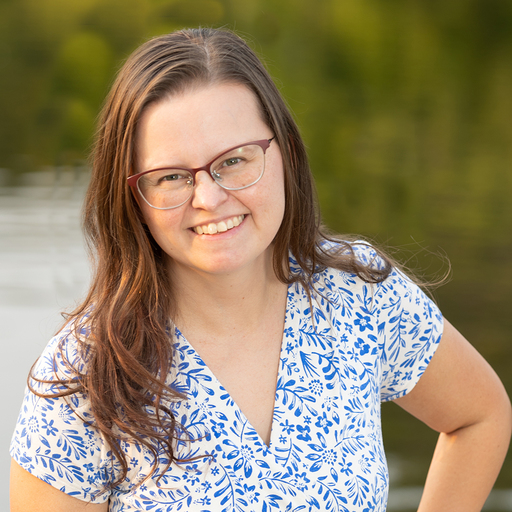

On May 14, former Team USA Paralympian and Nashville local Joseph Gray is speaking to the Tennessee School for the Blind’s athletic team about sports and disability. Gray is also the founder of Sight School, a nonprofit focused on blind awareness, inclusion, accessibility, and community impact. I had a chance to chat with Gray ahead of his speech about what it was like growing up blind in Nashville, and how the city can improve accessibility.
What was it like growing up blind in Nashville?
“Growing up blind in Nashville was fun in a lot of ways. My roots are really in Antioch. I was always around family, always around people, and I loved being active and outside. At the same time, it wasn’t always easy. I was born with oculocutaneous albinism, which means I have albinism that affects my skin, hair, and eyes, and it also comes with visual impairment and light sensitivity. Growing up, I felt like a sore thumb sticking out, especially since I’m African American, and I didn’t look like any of my friends and family that were in my community. I was often the only person around with albinism, and I do think that created an identity struggle for me. There were times when I felt like I had to act a certain way or put myself in certain spaces just to fit in and not stand out. Looking back, that caused a lot of hardship for my family and me because it put me in situations I had no business being in, and the outcomes could have been a lot worse.
“What helped me was that my family never let me shrink because of my disability. They were big on making sure I was integrated into athletics and social spaces with my sighted peers, and when I was younger, they were my loudest advocates. My dad had me in peewee football at the Boys Club, and I played for the Woodbine Broncos. I loved that because I was always rough, competitive, and physical. I learned early that my blindness and albinism might affect how I did something, but I still belonged.
“The Tennessee School for the Blind helped bring all of that into focus for me. TSB gave me confidence, community, and perspective. It helped me understand that even though I was living in a sighted world, I didn’t need to lose myself trying to fit into it. I had to define my own lane and my own version of success. Seeing other blind and visually impaired students compete, lead, and live fully changed how I saw myself, and that stayed with me.”
How did your nonprofit, Sight School, come to be?
“Sight School came out of real conversations, lived experience, and a real need. Lex Gillette and I were having deeper conversations around blindness, identity, perception, and the gap between how the sighted world often sees us and what our actual lived experience looks like. The more those conversations grew, the more it became clear that this needed to be bigger than just talk.
“For me, it was personal because I know what it feels like to grow up hearing more about what you cannot do than what you can. I know what it feels like to need exposure, confidence, mentorship, and opportunity. Athletics gave a lot of that to me. It helped shape my life and showed me what was possible. That made me want to help create that same kind of confidence and exposure for other blind and visually impaired young people.
“At its core, Sight School is about helping people better understand blindness and visual impairment through sport, education, advocacy, and immersive experiences. It’s about building confidence in blind and visually impaired individuals while also helping the sighted world move beyond assumptions and low expectations. More than anything, it’s about dignity, opportunity, and helping people truly see value and potential where the world too often expects limitation.”
How can Nashville ensure that TSB students can access everything our city has to offer?
“I think the first step is understanding that access is about a lot more than just whether someone can physically get into a space. Real access means transportation, information, opportunity, confidence, and belonging. It means blind students should be able to move through Nashville knowing they are expected in the room, not treated like an afterthought once they arrive.
“That looks like stronger pathways into internships, employment, athletics, recreation, arts, and community events. It looks like organizations building relationships with schools like TSB and not waiting to be asked. It looks like making information accessible from the start, thinking through mobility and transportation, and creating spaces where blind students can participate with dignity instead of being overhelped or underestimated.
“More than anything, it takes expectation. If Nashville really wants blind students to access everything the city has to offer, then the city has to stop seeing them only through the lens of limitation or inspiration. They are young people with talent, ambition, personality, and something to contribute right now. When a city raises its expectations, opens more doors, and is intentional about inclusion, blind students don’t just gain access to Nashville. Nashville becomes better because of their full participation.”