

It’s almost impossible to make it through the summer without finding a tick or three on you in Tennessee, unless you stay indoors all day. Here’s everything you need to know about ticks in Nashville, from how to remove them to tick-borne illnesses.
When Is Tick Season in Nashville?
Ticks can be found all year round, but they’re most prevalent from April through October. In my experience, June through August are particularly rough.
You don’t need to go to the doctor to remove a tick; you can do it at home. Your medicine cabinet should always include tweezers, rubbing alcohol, and cotton balls. Try to remove the tick as soon as you can.
- Pour rubbing alcohol in the bottle’s lid, to put the tick in when you’re done.
- Take your tweezers and grasp the tick as close to its head as possible.
- Pull up gently. Don’t pull too hard or yank; you don’t want the head to break off inside the bite. It may take several tries.
- Place the tick in the lid with the rubbing alcohol to kill it. The CDC also recommends tape.
- Clean the bite with rubbing alcohol on a cotton ball.
- My doctor recommends placing the tick in a sealed plastic bag, labeling it with the date, and then putting it in the freezer, in case of a tick-borne illness.
- Do a full-body check for more ticks, including your hair.
Don’t worry too much if the head doesn’t come out with the tick. Your body will eventually push it out.
Here are the most common tick-borne diseases in Tennessee, and how many cases there were in 2023:
- Ehrlichiosis, 98 cases
- Spotted Fever Rickettsioses, 75 cases
- Lyme disease, 39 cases
- There are several other less-common types of tick-borne diseases in Tennessee.
- Call your doctor if you develop a rash, fever, muscle pain, joint swelling, or fatigue within 30 days after a tick bite.
- Most tick-borne diseases can be treated with antibiotics, though some are more serious and may require hospitalization.
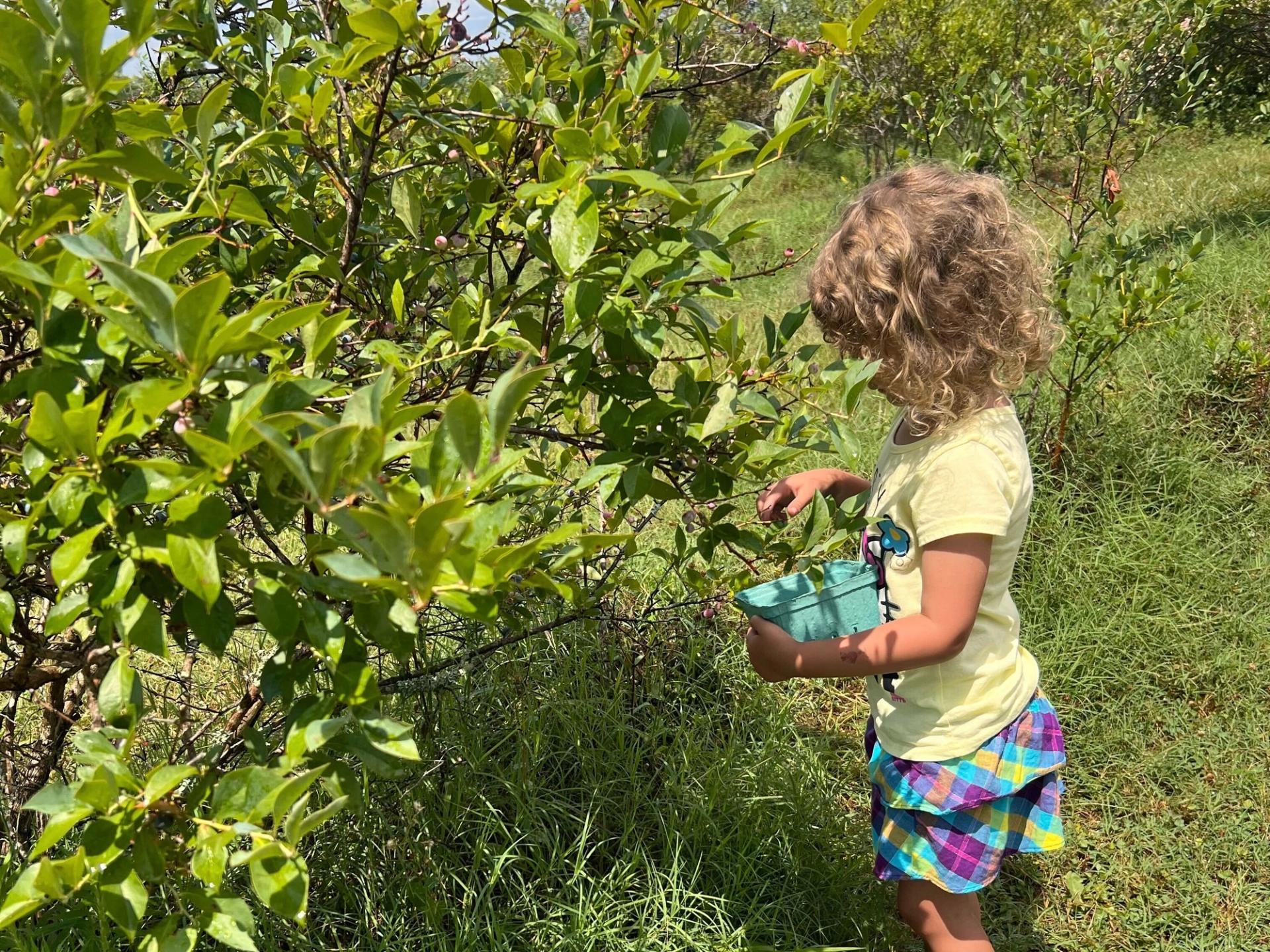
Ticks prefer long grass, meadows, and wooded areas, so be especially alert after spending time in these places.
- Check your clothes, body, and hair after being outside. Check your pets, too!
- Walk in the center of trails.
- Take a shower and change clothes after being outside for a while. Personally, I do an initial check (sock line, hair, clothes) immediately after a hike, and then a full-body check once home. You can also use a lint roller on clothes.
- Treat clothing and gear with products containing 0.5% permethrin.
- Use EPA-registered insect repellents.
- Ask your vet for the best tick prevention products for your pet.