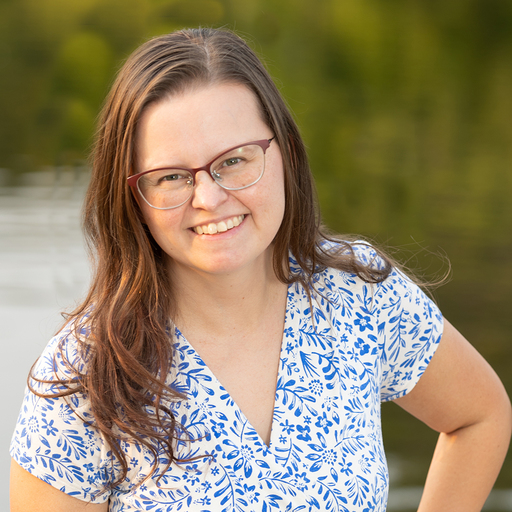

Tonight, July 7, will be Metro Council’s second reading on two bills addressing data center construction in Nashville. We talked to Drew Small, the man behind No New Data Centers, about why he’s fighting projects proposed near the Nashville Zoo and on the Fisk University campus, and how others can get involved.
A reminder that if you’re headed to tonight’s council meeting, they have implemented a new ticketing system for those wishing to speak. The list will open at 5 p.m.
What could be the impacts of the zoo data center on your South Nashville neighbors?
Every concern we have for the animals at our zoo also applies to us, our children, our senior citizens, our unhoused neighbors, and the local wildlife we share this corridor with. There is a hidden healthcare cost to these facilities that keeps rising every year, with U.S. data centers now responsible for an estimated $25 billion annually in pollution and health damages, according to a 2026 Carnegie Mellon analysis. A single large facility can cost a local community $50-100 million a year in health damages alone. Put that into a community already struggling with a cost of living crisis, and you've got a recipe for disaster.
Why should Nashvillians be concerned about data centers, and how can people get involved?
Data centers are an everyone problem. What we're building today is so different from anything that's come before, and developers have shown they'll place them anywhere they're allowed to. It's not a question of if this reaches you, it's a question of when, at the pace these projects are moving. The good news is we still have time, and we still have power. Show up to local meetings, pay attention, and repeat. Then find local neighbors near you who are already doing the work. One person paying attention is useful, but a few hundred people paying attention quickly becomes a problem. Sometimes being a problem is the solution.
What advice would you give to someone who wanted to start a similar grassroots effort to change something about Nashville?
Better is always on the other side of boring. It's not the protest signs, or the public hearings where hundreds turn out. It's reading the permits, the geotechnical documentation, reading laws at 12:39 a.m. The people who win these fights aren't the ones with the most charisma, they're the ones who did the unglamorous work long enough to know more than the people trying to push the project through. In reality, you've got two options: worry about it, or work on it. In my experience, you don't get what you wish for, you get what you work for.