
City Cast Nashville logo

A History of Nashville’s Lunch Counter Sit-Ins

Posted on January 22, 2025   |   Updated on September 30, 2025
Margaret Kingsbury

Margaret Kingsbury

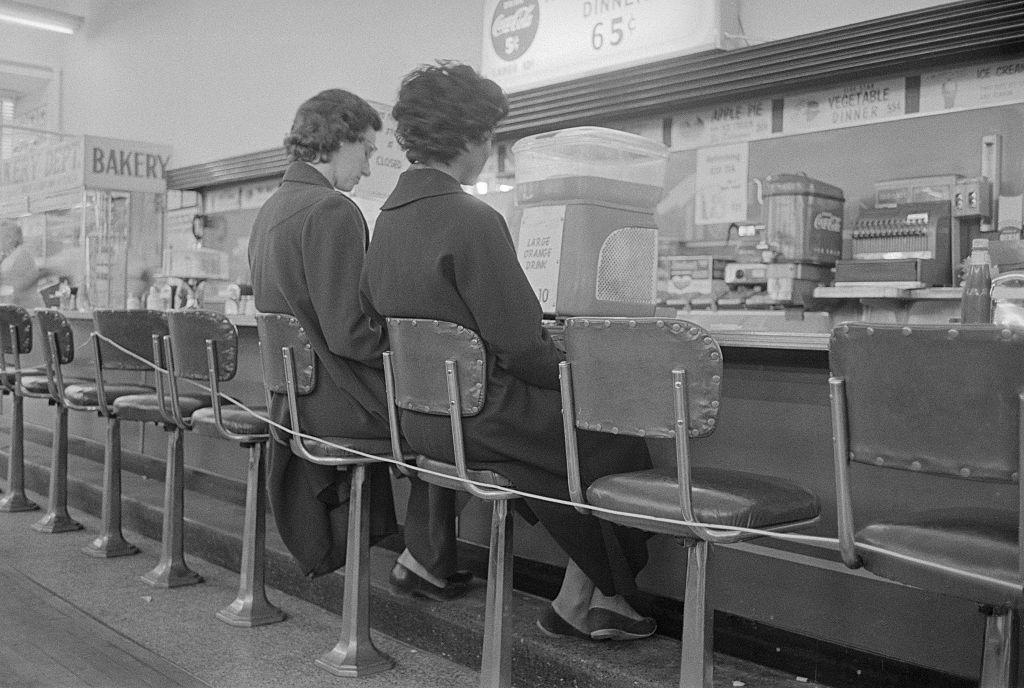
Two women sit at an empty lunch counter with a rope around it.

The Nashville sit-ins became a model for staging nonviolent civil rights protests. (Bettman / Getty Images)

The 1960 sit-ins at segregated lunch counters in downtown Nashville are considered one of the most successful student-directed campaigns of the Civil Rights movement. The nonviolent sit-in protests lasted from Feb. 13 to May 10, 1960, with Civil Rights leaders James Lawson, John Lewis, and Diane Nash participating. Here’s the story of the Nashville sit-ins, and how we became the first major Southern city to begin desegregating public areas.

Practicing Nonviolent Protests

In 1959, Rev. James Lawson founded the Nashville Student Movement and began teaching workshops on nonviolent protests to students from our historically Black colleges and universities: American Baptist Theological Seminary, Fisk University, Meharry Medical College, and Tennessee Agricultural & Industrial (now called Tennessee State University). Lawson taught the students how to remain calm and turn the other cheek while experiencing physical and verbal abuse.

The Counter Sit-Ins Begin

Operating under Jim Crow-era laws, African Americans weren’t allowed to eat at public lunch counters in Nashville. After hearing about the Greensboro, NC sit-in on Feb. 1, 1960, the Nashville Student Movement decided to make their move. On Feb. 13, 1960, 124 students, a number that would continue to grow, went to Kress, Woolworth, and McClellan in downtown Nashville to sit at their lunch counters. They were denied service, but continued to return. In an interview about the protest, John Lewis said, “Altogether it was a moving feeling within me, that I was sitting there demanding a God-given right, and my soul became satisfied that I was right in what I was doing.”

Violence Breaks Out

Protestors were attacked for the first time during a sit-in not long after, on Feb. 27, at Woolworth’s. John Lewis recalls: “A young student at Fisk, Maxine Walker, and an exchange student named Paul LePrad were sitting at the counter at Woolworth's. This young white man came up and hit Paul and knocked him down and hit the young lady. Then all types of violence started.”

John Lewis and other protestors were arrested, but the sit-ins continued, with white people continuing to attack students. On Apr. 19, someone bombed local attorney Z. Alexander Looby’s house, who was representing many of the arrested students in courts. Thousands of protestors marched to demand answers from Nashville Mayor Ben West, with Fisk junior Diane Nash leading the way. With her prompting, West admitted that segregation was wrong, and that lunch counters needed to be desegregated.

City Cast

How Three Unsolved Bombings Shaped Nashville’s Future

00:00:00

Desegregation Begins

On May 10, six downtown stores opened their lunch counters to Black customers, and we became the first major city in the South to desegregate public spaces. The Nashville sit-in campaign became a model for other civil rights protests. This was only the beginning of the movement here in Nashville and beyond. The Civil Rights Movement ended when President Lyndon B. Johnson signed the Civil Rights Act of 1964 and the Voting Rights Act of 1965.

Share article

Hey Nashville

Stay connected to City Cast Nashville and get ready to join the local conversation.

Can't subscribe? Turn off your ad blocker and try again.

Nashville History

See All
Nashville HistoryMarch 4

How To Celebrate Women's History Month in Nashville

During March, we highlight and honor women’s great contributions to the U.S. Here's how to celebrate in Nashville.

A statue of five women holding women's suffrage signs. The statue is outside on a sunny day, surrounded by trees.
Nashville HistoryFebruary 24

5 Interesting Facts About Fisk University

Fisk University celebrates its 160th anniversary this year. Here are five interesting facts about the university.

In clothes predating 1906, a group of Black students, both male and female, sit and stand on steps of a historic building. It's a black-and-white photograph.
Nashville HistoryJanuary 30

How To Celebrate Black History Month in Nashville

Black history is American history. Learn how Black History Month was created, why it takes place in February, and how you can celebrate i...

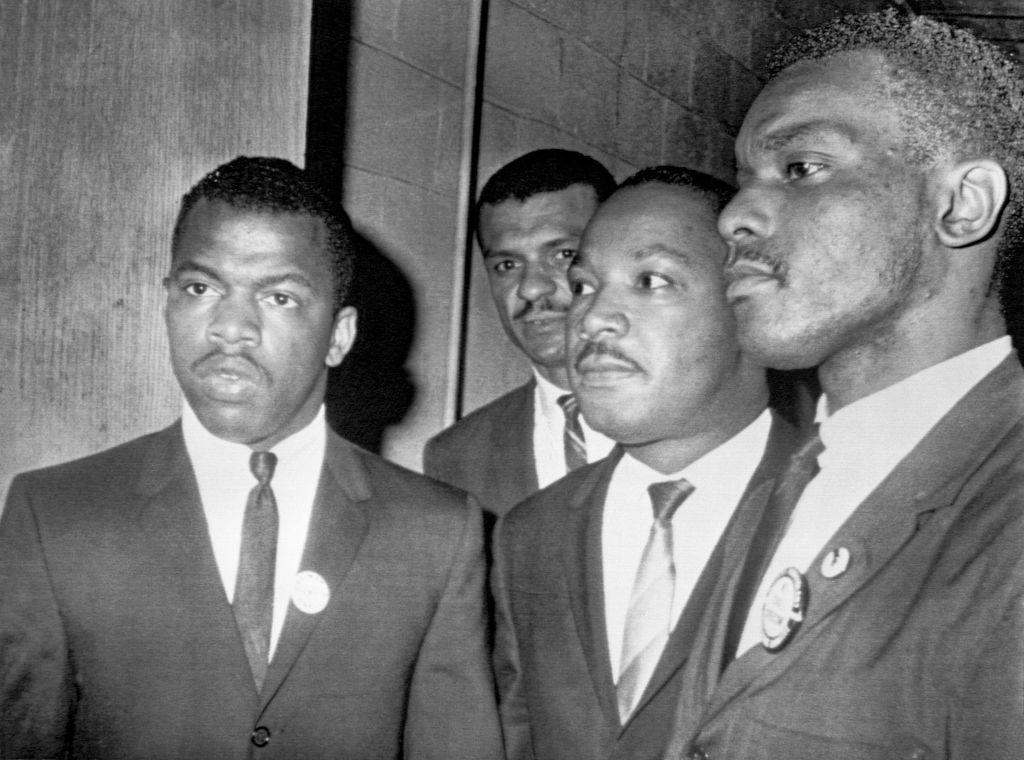
Martin Luther King, Jr. and three other Black men in suits gather.
Nashville HistoryJanuary 27

Memories of 1994’s Ice Storm in Nashville

The ice storm of 1994 was one of the biggest ice storms in Middle Tennessee history, and its impact was very similar to Winter Storm Fern’s.

A street where trees and the road are covered in ice. Some branches have fallen.
Nashville HistoryJanuary 13

How To Celebrate Martin Luther King Jr.'s Legacy in Nashville

Jan. 19 is MLK Day. Here are ways to celebrate and honor his legacy here in Nashville.

A black-and-white photo of Martin Luther King Jr. speaking in front of a microphone, waving one hand.
Nashville HistoryDecember 17, 2025

The Grand Ole Opry Celebrates Its 100th Birthday

The Grand Ole Opry was founded 100 years ago, in 1925. Here's how it's shaped country music.

Dolly Parton with five musicians on stage. She wears a white sequined outfit.
Nashville HistoryOctober 16, 2025

The Legend of Tennessee’s Bell Witch

Discover the chilling legend of the Bell Witch, one of America's most infamous ghost stories set in Adams, Tennessee. Learn all about the...

A grayscale photo composition of a woman's figure in dark silhouette standing in a forest framed by dark spooky trees against a light gray sky
Nashville HistoryOctober 1, 2025

The Trailblazing Woman Cornelia Fort Airpark Is Named After

One of Nashville’s most popular outdoor areas is named after female pilot Cornelia Fort. But do you know her story?

A black and white photo of a white female pilot leaning against an airplane.