
It’s hard to find someone in Nashville who isn’t connected to music in some way. We’ve always been a musical city, but how did we earn the Music City nickname? I was taught that it was thanks to the Fisk Jubilee Singers, but the answer is more complicated.
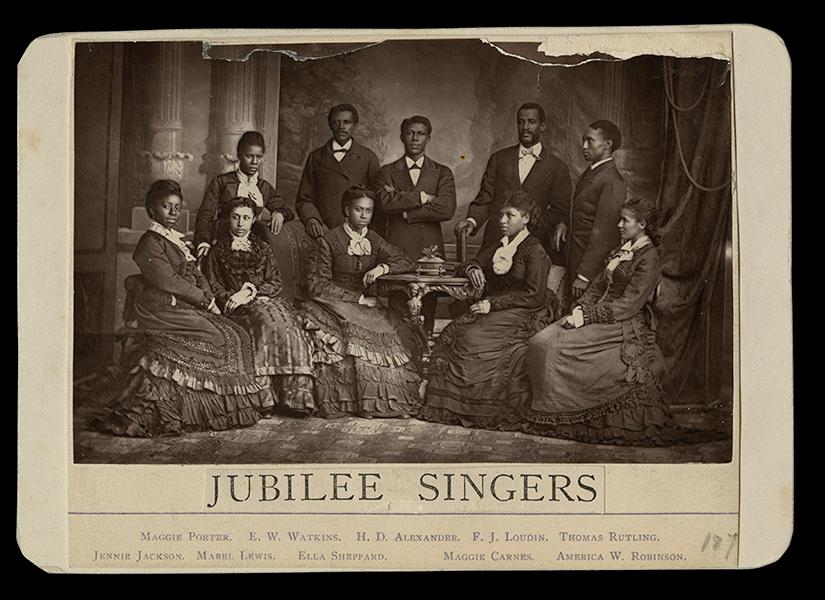
Queen Victoria commissioned this photograph, arranging for it to be sent to America as “a gift from England to Fisk.” (Wikimedia Commons)
The Fisk Jubilee Singers
The most popular story of how Music City earned its nickname involves the Fisk Jubilee Singers and Queen Victoria. Fisk University opened in 1866 as the first liberal arts college in the U.S. to welcome people of any race. Five years later, with the university in dire financial straits, a music professor created a nine-member choral group and took them on tour to raise money. They would later be called the Fisk Jubilee Singers.
According to Music City legend, Queen Victoria came to hear one of their performances when they were on tour in England, and said they must be from “a city of music.” Thus, the name Music City was born — or was it?
Is the Fisk Jubilee Singers Story True?
Unfortunately, it looks like this story isn’t exactly true. While the Fisk Jubilee Singers indubitably contributed to Nashville’s early music scene, and to putting Nashville on the map as a musical destination, they probably aren’t why we’re called Music City. Both a long-time director of the Fisk Jubilee Singers and Ken Burns, in his research for his “Country Music” documentary, state that the story is false.
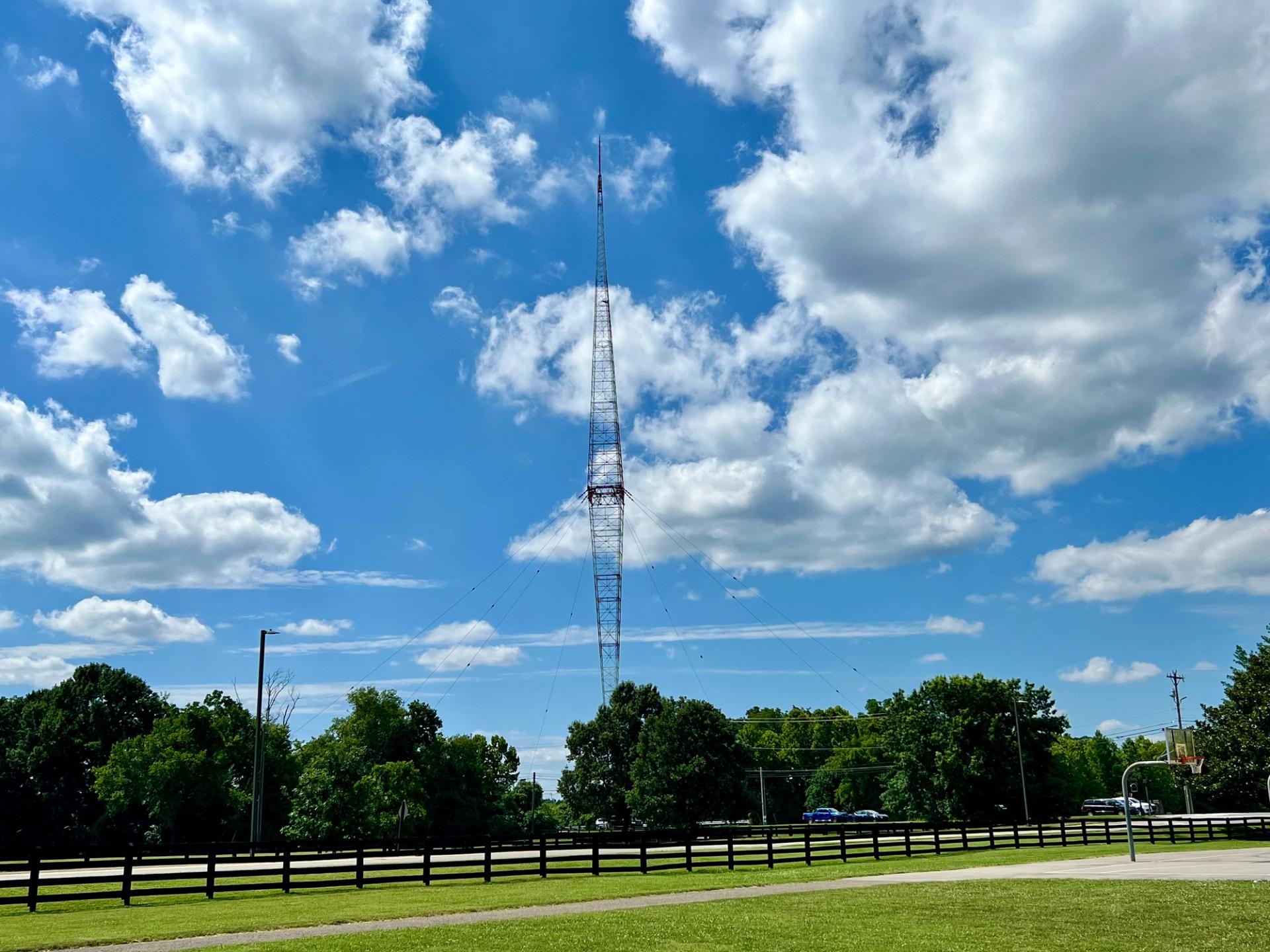
You can see the WSM tower in Tower Park in Brentwood, right across the street from the John P. Holt Brentwood Library. (Margaret Kingsbury / City Cast Nashville)
So, How Did Music City Earn Its Nickname?
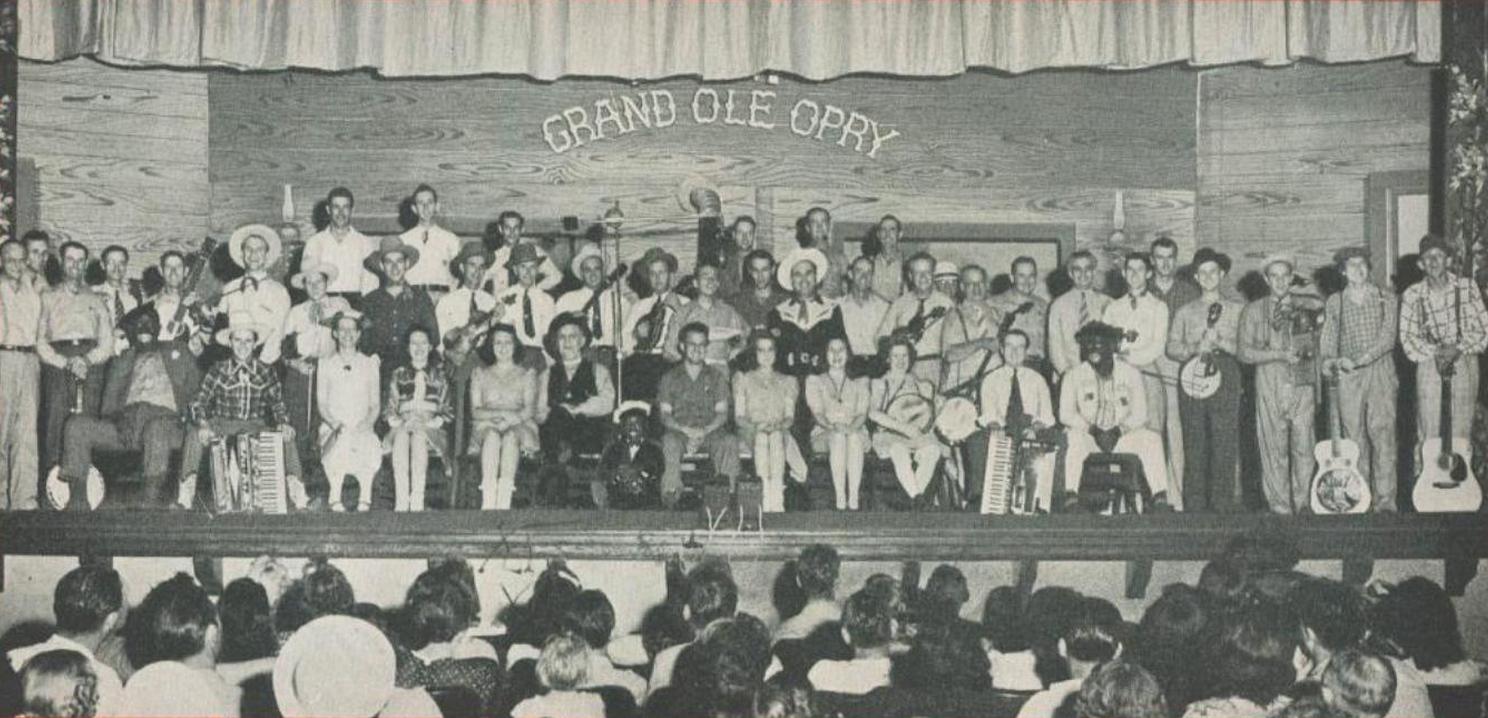
Credit likely goes to the Grand Ole Opry and the WSM broadcast antenna. The National Life and Accident Insurance Company launched a radio station in Nashville in 1925, nicknamed WSM for the company’s motto “We Shield Millions.” On Saturdays, they hosted barn dances, and when the barn dances exploded in popularity, they built an auditorium and changed the program’s name to the Grand Ole Opry. In 1932, they built the tallest antenna in the U.S. to broadcast the Grand Ole Opry show, and it became the most popular radio station in America.
In 1960, while introducing a broadcast, WSM radio announcer David Cobb said that listeners were hearing the sounds of “Music City, U.S.A.” The nickname stuck.