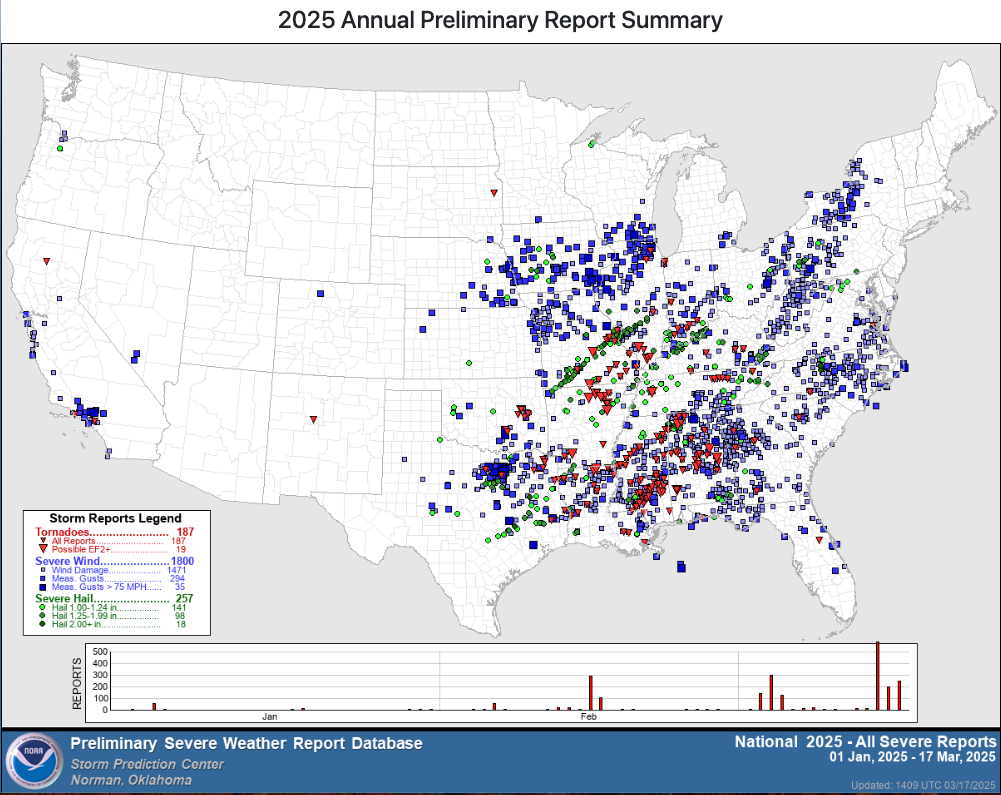
While tornadoes can occur at any time of year, tornado season in Nashville typically peaks from March to May. Here’s what you need to know to prepare and stay safe in the event of a severe storm.
Preparing for a Tornado
Prep for the Worst
If you’re not already following Nashville Severe Weather on social media, do it now.
Because tornadoes can hit with little notice, experts recommend building an emergency preparedness kit. Create an emergency plan and practice it.
Know where to shelter when a tornado hits, and be sure to include helmets in your safe space. Make sure your neighbors in manufactured or mobile homes know where they can shelter in the event of a storm.
Buy a NOAA weather radio and download a weather app that will wake you up in an emergency. NashSevereWX suggests StormWatch+. Save this tornado preparedness checklist to help you get started.
Nashville also has a Metro Emergency Alert and Notification System (MEANS). You can sign up to receive alerts and phone calls directly from MEANS in the event of weather danger.
Educate Yourself and Others
Familiarize yourself with the warning signs of a tornado. Know the difference between a Watch and a Warning: One means we have the ingredients for tacos, the other means we are making tacos RIGHT NOW. Learn what our Nashville tornado sirens sound like — they run a test at noon on the first Saturday of every month — but don’t rely on them for warnings while indoors. You should also talk to the kids in your life about tornadoes and involve them in any practice drills.
Learn the best strategies to manage tornado anxiety.
When a Tornado Hits
If a tornado warning has been issued, follow a local NOAA Weather Radio station for updates. NashSevereWX will also be live on their YouTube channel.
If you’re at home or at work, be in your safe space. Familiarize yourself with your location on a map: If you’re on the roads, know where the tornado is, drive away from it, and get to a sturdy shelter as soon as possible. Tennessee recently passed a law protecting businesses, churches, and other organizations from liability should they provide public shelter in event of a disaster.
What to Do After
If you are secure in your location, stay there until it’s safe to emerge. Keep away from downed power and utility lines. Wear protective clothing during clean-up to protect yourself and others from disease and contamination, and document all the damage to your home for insurance purposes.
Check-in with your family and neighbors, too. Provide first aid if possible until emergency response teams arrive.
And ask for help. Contact the toll-free Disaster Distress Helpline if you or someone you know could benefit from counseling.
City Cast editor Natalia Aldana wrote the tornado guide. City Cast Nashville executive producer Whitney Pastorek updated it for Nashville.