National Endangered Species Day is this Friday, May 16. The Endangered Species Act was signed into law in December 1973 to prevent extinction and improve species numbers until they no longer need protection. Here’s more about Nashville’s endangered and threatened species, and what you can do to help.
😢 5 At-Risk Species in Nashville
More than 47,000 species are threatened with extinction. The International Union for Conservation of Nature’s Red List of Threatened Species has established nine categories to classify each species’ risk. I’ve noted the status of our local endangered species below their names.
Near Threatened
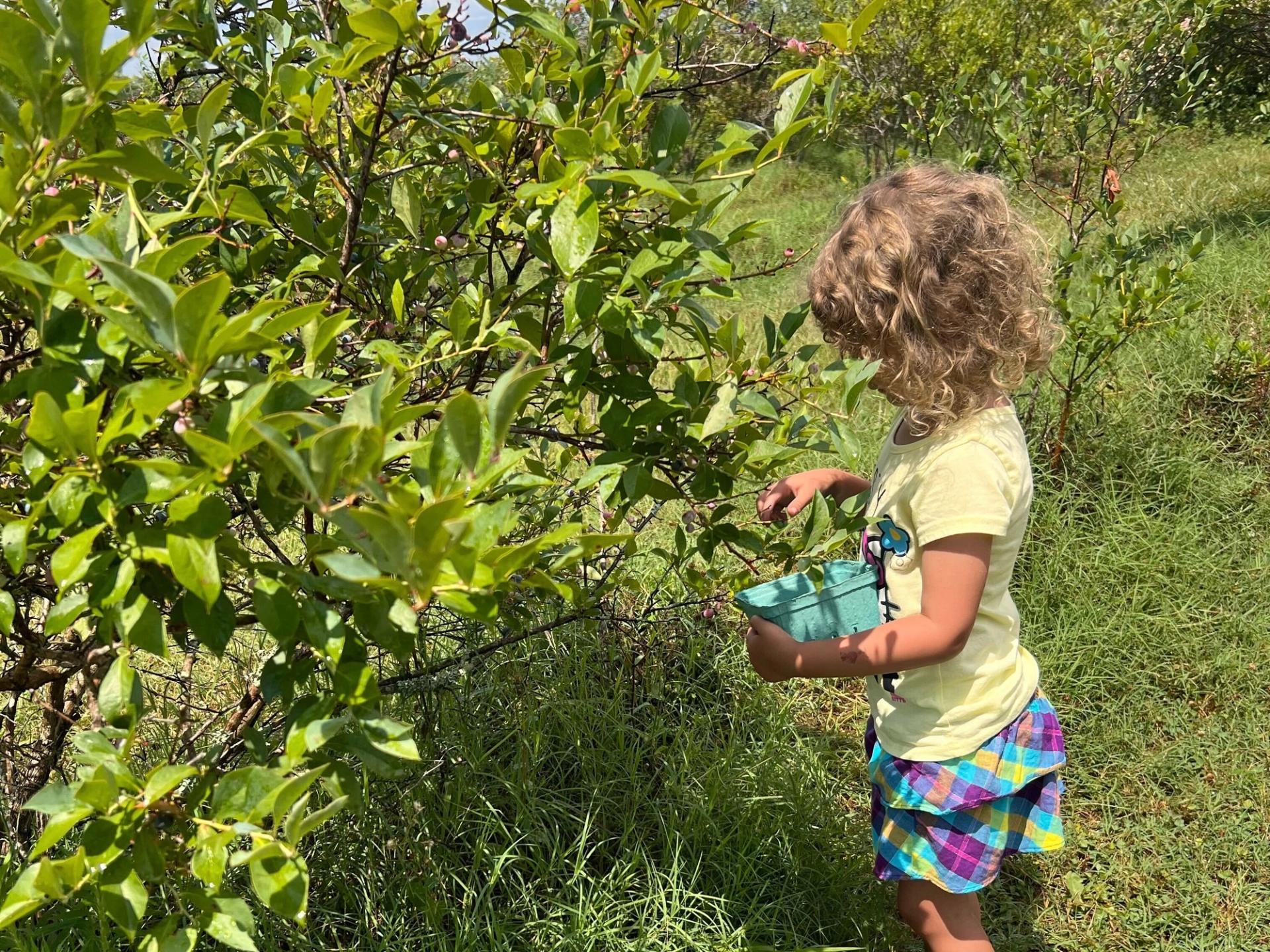
As a child, I remember listening to this quail’s distinctive “bob, bob white” call in the meadows surrounding my home, but their numbers have been steadily declining due to habitat loss, and I now no longer hear their call when I visit my parents. I have spotted them early in the morning and at dusk at Bells Bend Park.
Endangered
While endangered, the Nashville crayfish population is rising, thanks to efforts from the Nashville Zoo and changes to stormwater regulations. The U.S. Fish and Wildlife Service is considering removing the species from the endangered species list, but doing so would also remove regulations protecting it.
Endangered
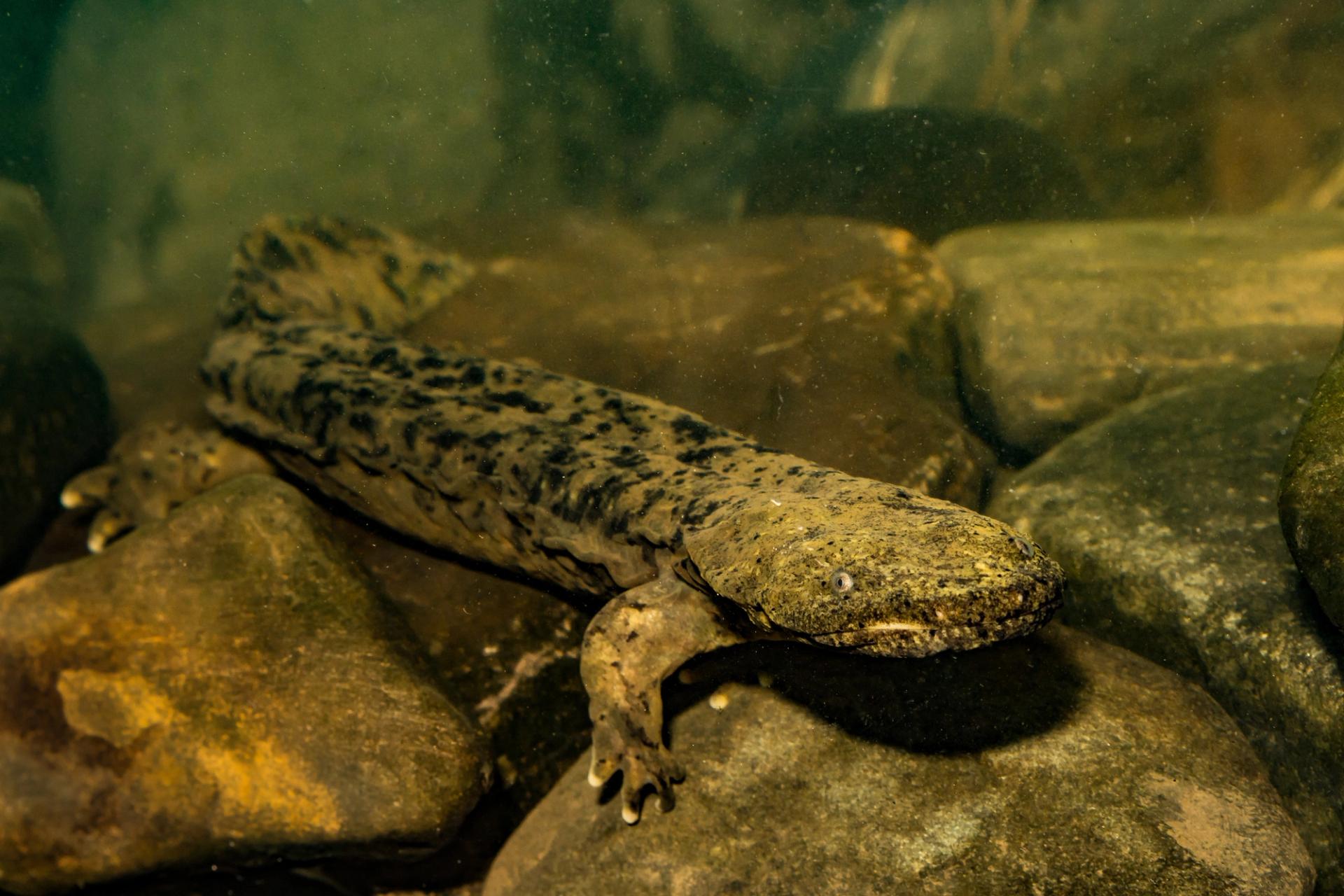
These aquatic salamanders breathe through their skin and spend most of their lives hanging out under large flat rocks. The Nashville Zoo, Tennessee Wildlife Resources Agency, and Tennessee State University are working together to protect this endangered species, and recently released more hellbenders into the Duck River.
Vulnerable
This small white flowering plant blooms in April and May, and has adapted to withstand summer droughts. Because it lives in a limited geographic area, preferring cedar glades, it’s especially affected by habitat loss.
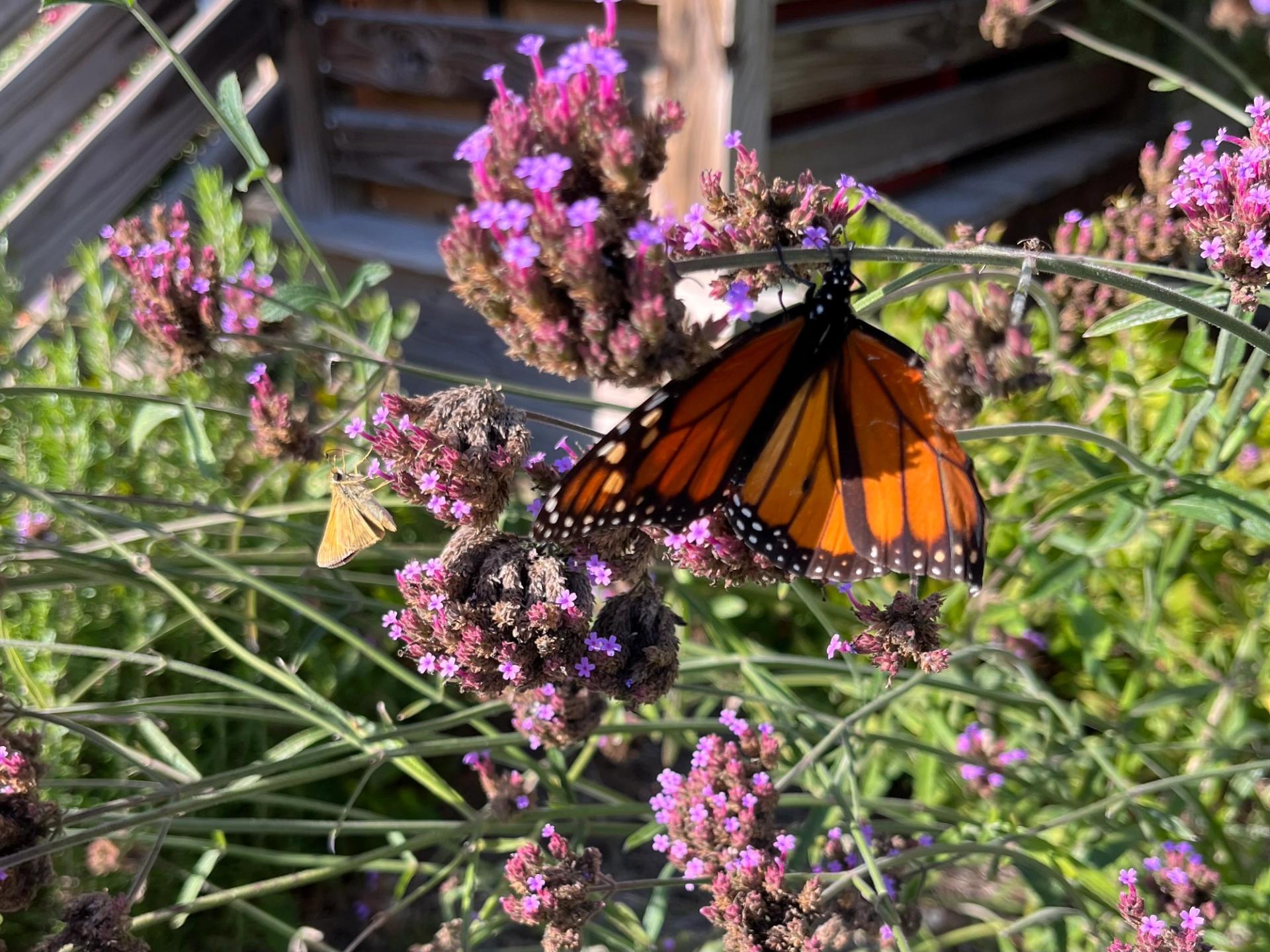
Advocates want monarch butterflies listed as threatened. (Whitney Pastorek / City Cast Nashville)
Proposal: Threatened
While the monarch butterfly is not currently protected, the U.S. Fish and Wildlife Service has proposed changing its status to threatened so the species can be federally protected. The agency’s assessment found the probability of extinction by 2080 ranges from 56% to 74%. Public comment on the proposal ends May 19.
👋 What You Can Do To Help
- Plant native gardens, including milkweed.
- Clean up litter, especially in our creeks and waterways. Hands On Nashville frequently lists volunteer litter cleanups.
- Support organizations like the Nashville Wildlife Conservation Center and the Nashville Zoo.
- Avoid using herbicides and pesticides.
- Recycle and buy sustainable products.