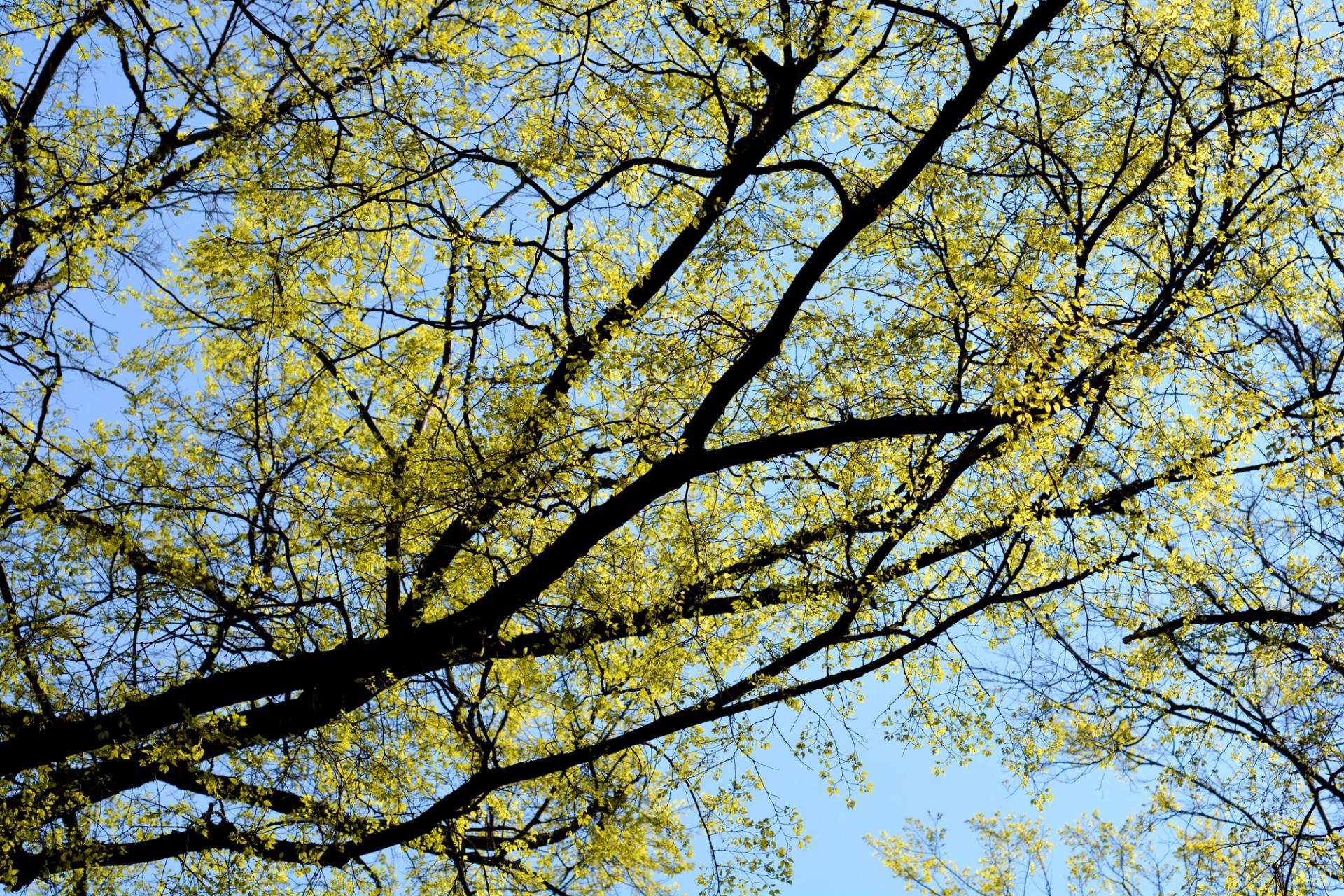
Hackberry trees: Everybody hates them. They are consistently accused of things that are not their fault, even by people who should know better. As the proud caretaker of a massive backyard hackberry — an award-winning hackberry, at that! — I'm here to stop the slander.
🌳 About Hackberry Trees
First of all, “hackberry” is a catch-all term for the genus Celtis, which contains a wide variety of species that can be found here in Middle Tennessee. In fact, according to Nashville Tree Conservation Corps, Nashville is a “nexus” for hackberries, where the common hackberries found to our north and the sugarberries to our south meet and mingle. It’s a hardwood tree known for wart-like bumps and ridges on their trunks, with asymmetrical leaves and, of course, berries. They’re also known as an “early successional” species, which means they are the first to grow after land has been cleared for, say, new construction.
⚠️ Why Do People Hate Them?
Because of their “early successional” nature, their annoying seedlings are everywhere, popping up like weeds wherever berries fall. They’re also fast growers, which means they get stressed a lot easier than other trees because they don’t have a lot of defense mechanisms against pests, fungi, or “butt rot.” (That is a scientific term!) When we experience strong winds or severe weather here in Nashville, they’re often the first trees to break or topple over — and because there are so many of them, we notice.
They also attract a very unwanted visitor: wooly aphids, an invasive pest that sucks the sugar out of hackberry leaves … and then poops it out all over your lawn furniture and your car and your kid’s playset, creating a black, sticky mess. A lot of folks think this is “hackberry sap,” but the trees are blameless! It’s the fault of the stupid aphids, and if it gets really bad, you can treat your tree to get rid of them.
🌈 How Are They Beneficial?
But here’s the thing: Hackberries are insanely beneficial for wildlife. Their berries provide food for birds and animals, their leaves feed butterflies, and their hollow spaces create homes for adorable critters. Historically, these trees also provided food and medicine for humans: hackberry seeds can be found in archeological sites around the world. And if, like me, you’re lucky enough to have a big, beautiful hackberry in your backyard, you know how much glorious shade they provide — which can help your summer energy bills in a big way.
😎 How To Keep Yours Happy
If you’ve been blessed with a full-grown hackberry on your property, try to keep the paranoia at bay. Find a certified arborist and have them swing by for a consultation, and if you can afford it, look into having precarious branches cabled. A lot of our local hackberries are wrapped in Virginia creeper or poison ivy — throw on some long sleeves and gloves and chop those vines back so the tree doesn’t suffocate. (This is a good tip for any tree species.) Beyond that, just try to say nice things to and about them. They’re sensitive!