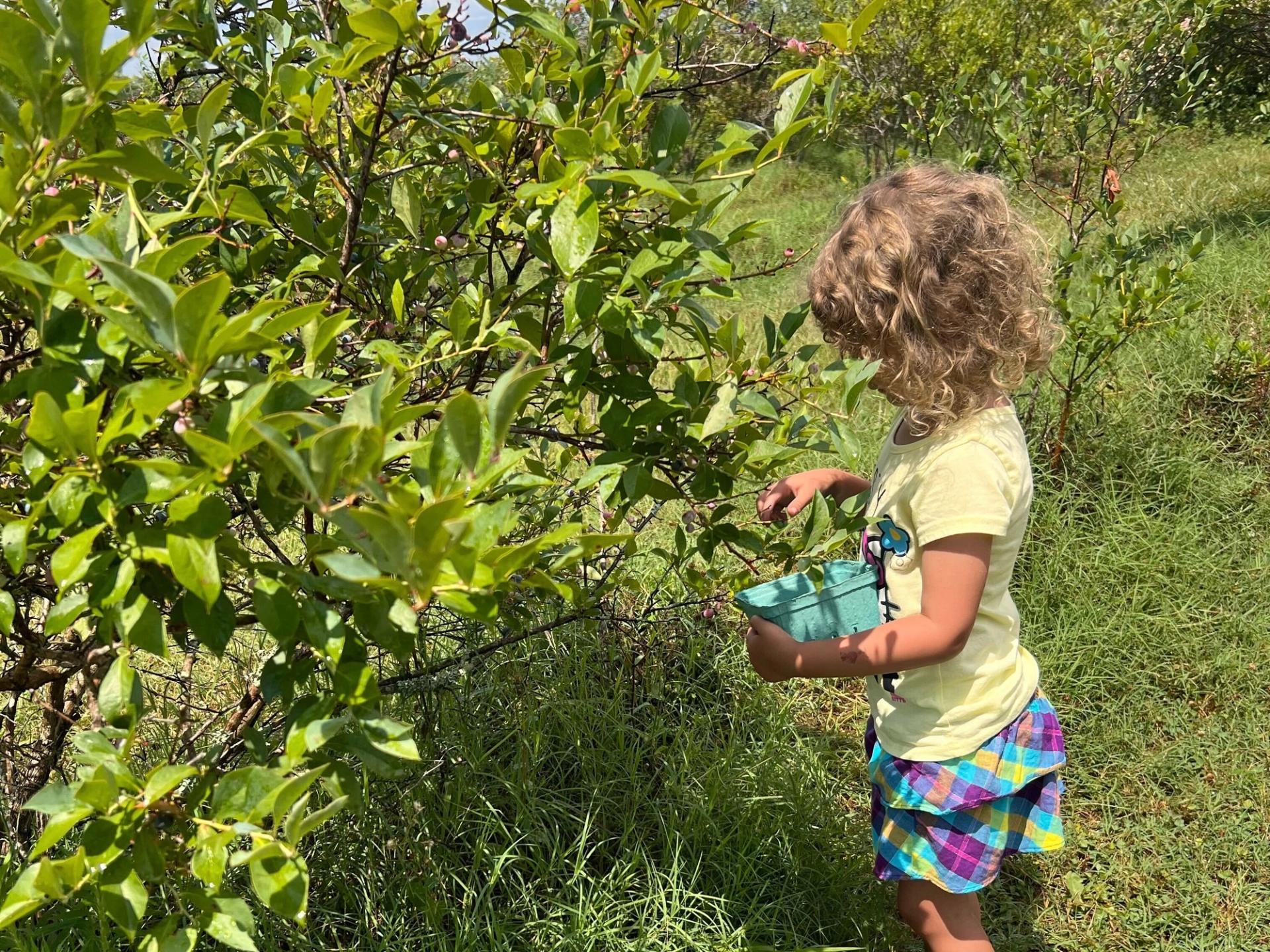
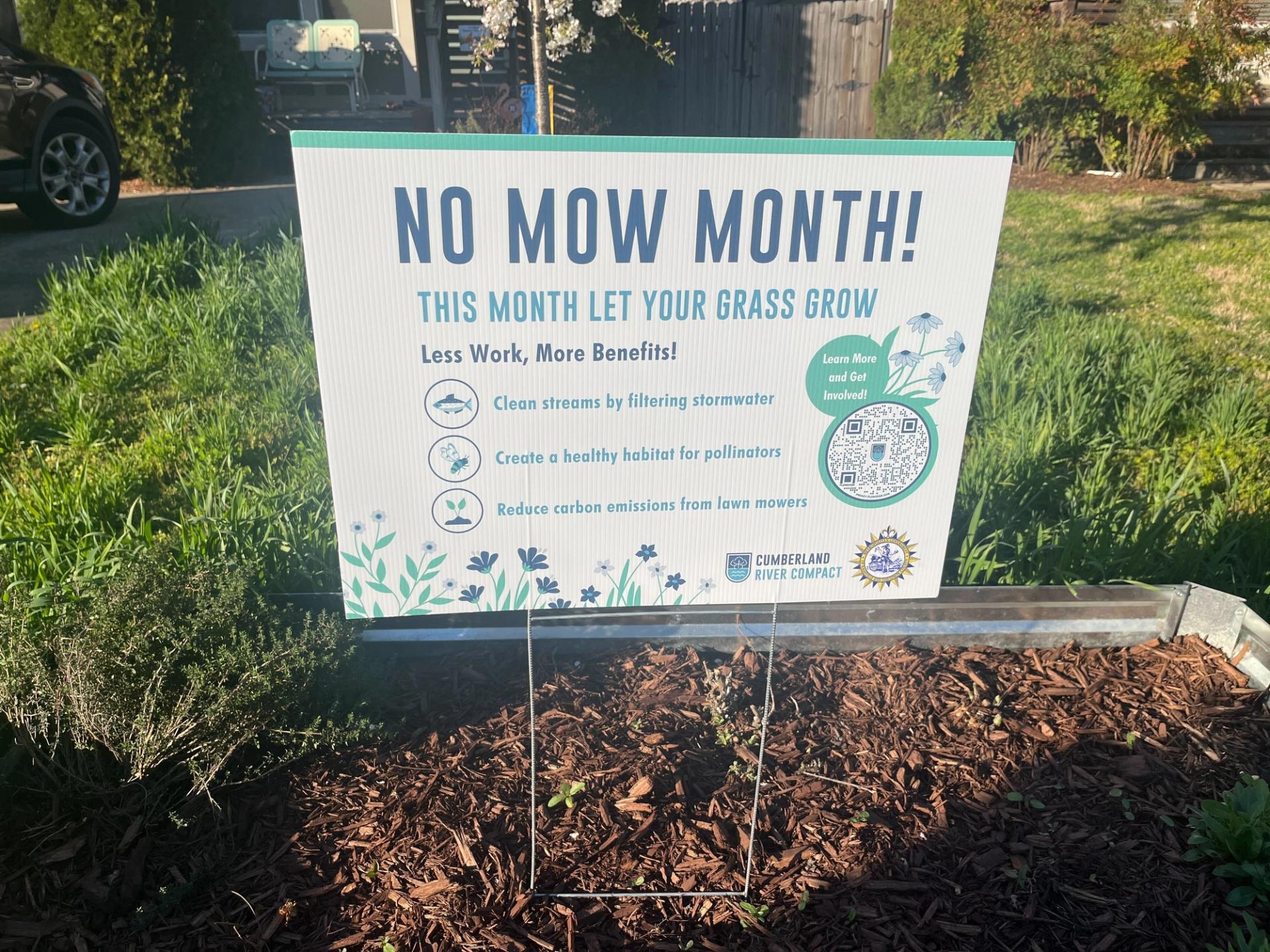
It’s growing season, and for many, the first step in spring gardening is getting out the lawn mower and cutting grass. The Cumberland River Compact encourages residents to rethink that, and let their lawns grow for a little longer. The nonprofit has teamed up with Metro Nashville for their third annual No Mow April. Here’s why this initiative can help Nashville.
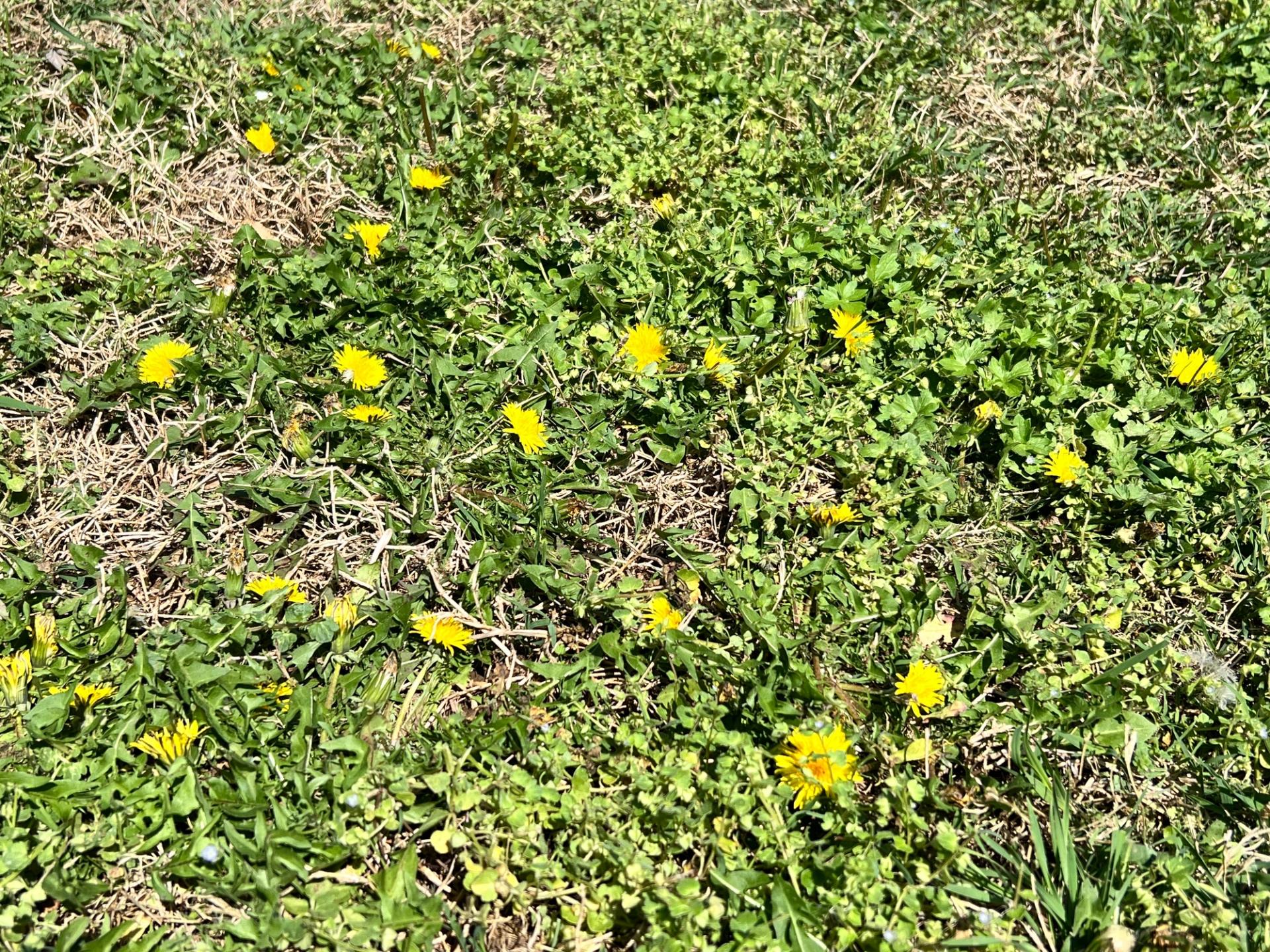
Let the dandelions grow. (Margaret Kingsbury / City Cast Nashville)
The Benefits of No Mow April
- Letting grass roots grow deeper means lawns can absorb more rainwater, leading to less pollution from runoff in our waterways.
- It replenishes groundwater supply.
- It allows plants that attract pollinators — like dandelions and clover — to grow long enough to bloom. More pollinators will help all plants throughout the year.
- It protects baby bunnies in well-concealed nests, letting them grow big enough to hop away from the mower.
- It reduces carbon emissions.
How To Participate in No Mow April
While it’s too late to grab a No Mow April sign, as long as grass stays below 12 inches, you won’t be in violation of Metro Codes. If you’re worried about allowing your entire lawn to grow, start with a patch where rainwater typically collects, like by a downspout or the bottom of a driveway. Make sure to check your HOA’s rules first.
Fun Ways to Take Advantage of the Month
- Instead of chopping back your lawn right away, use a rake, cultivator, or other tool to loosen the dirt under your grass. Overseed with clover or native wildflower seeds to introduce more beneficial species to your yard. You’ll need to keep the seeds moist for the first couple of weeks — not a problem with our spring rains!
- Use the time you’d be spending on mowing and weedeating to plan a butterfly garden! May is a great time to start an attractive perennial habitat where you can sow additional milkweed seeds in the fall.
- Focus on other outdoor maintenance tasks, like checking and cleaning out gutters and downspots, washing windows, preparing mosquito buckets of doom, or installing a rain barrel.
For your first mow in May, use a weedeater for the initial pass, as grass will be thicker and harder to manage for lawn mowers. Leave shorter clippings on the lawn if you want; they’ll naturally compost and enrich your soil!