Our prime growing season is over for the year, but your garden still has work to do. Say goodbye to lawn and leaf bags: Melinda Baker, program coordinator at The Habitat Connection and Plant the Seed educator is here to explain how to help your local wildlife by doing … nothing.
🥀 Keep Those Stems Standing
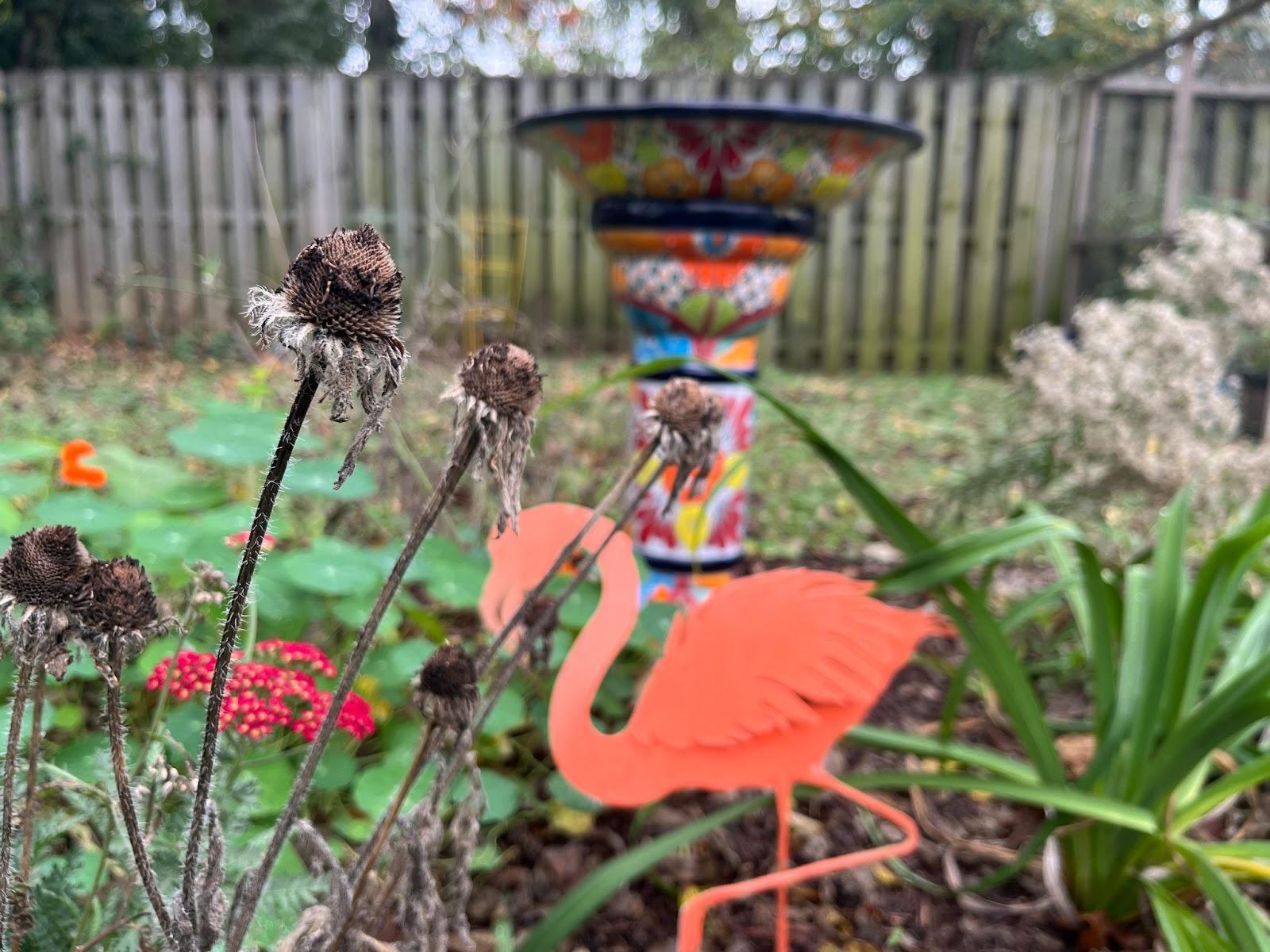
Although most of our perennials are done flowering for the year, their spent stems and blooms are still valuable. “Removing anything from the landscape that looks dead destroys critical overwintering habitat for our wild neighbors,” explains Baker. “Seedheads provide winter food for birds and standing dried stems, which are often hollow, provide nesting sites for native solitary bees.” If the stems have already fallen, leave them in the bed to nourish the soil below.
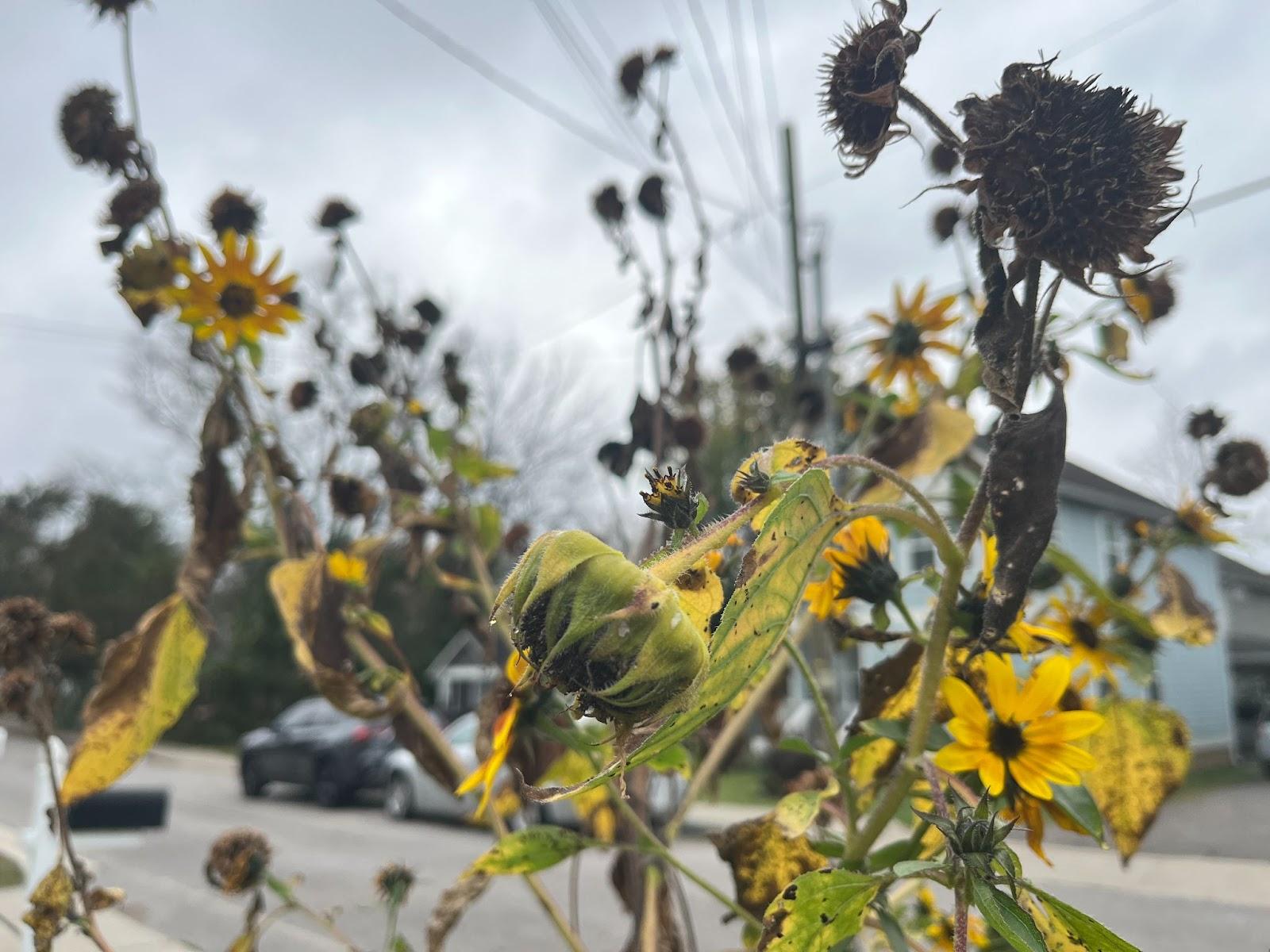
These sunflower seedheads are a tasty treat for the local birds. (Whitney Pastorek / City Cast Nashville)
🍁 Leave the Leaves
Why spend a weekend raking leaves when it’s better to leave them? According to Baker, insects use that leaf cover as shelter. “This is why you’ll often see — and hear — birds like brown thrashers, Eastern towhees, or robins scratching around in leaf litter,” she says. “They’re foraging for insects. So, instead of mulching or bagging up fallen leaves, which kills everything that’s sheltering in them, you can either let them stay where they fall or you can gently rake them into garden beds or around the base of trees.”
🍅 Build Your Soil for Next Year
If you’re using your backyard beds to grow veggies in the summer, consider seeding a cover crop over the winter. After months of pumping out tomatoes, your soil needs some rest and rejuvenation! If you’re dealing with compact soil, radishes can help break it up; if you need to improve your nitrogen levels, try alfalfa or peas. My favorite cover crop is crimson clover, which brings thrilling pops of color once spring arrives.
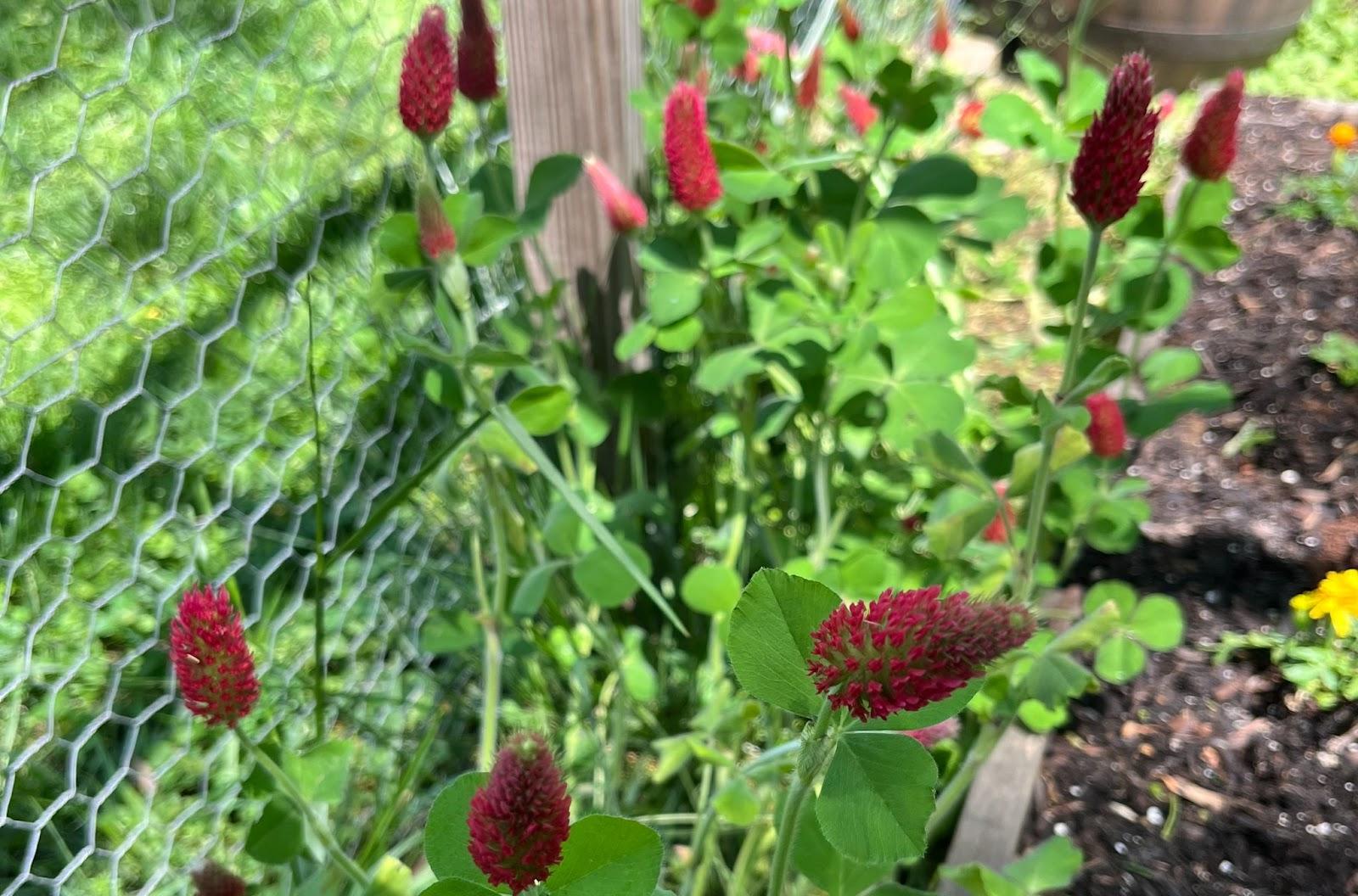
Crimson clover in full spring bloom. (Whitney Pastorek / City Cast Nashville)
🐦⬛ Provide Shelter and Snacks
Even if you don’t have a green thumb, you can still help out your feathered friends by installing a bird feeder. “In terms of food, winter is the best time to provide supplemental seed for birds who benefit from the extra calories, especially if native plants and insects are scarce,” says Baker. (The squirrels and bunnies will thank you, too.) Finally, Baker suggests providing winter shelter in the form of evergreens, brush piles, areas of dense vegetation, tree snags, or nest boxes in your yard.