
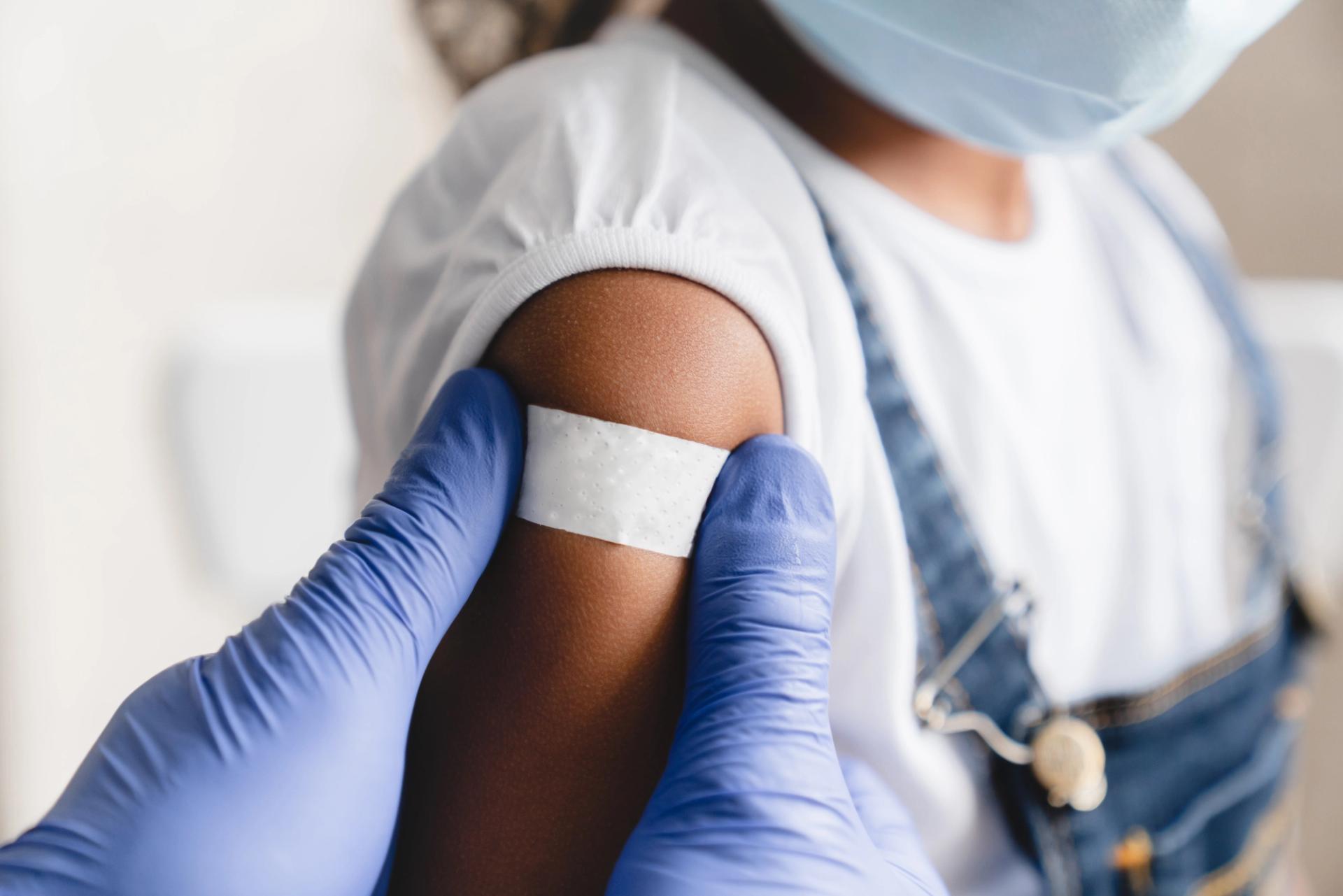
Measles is a highly contagious virus that spreads through the air, with symptoms including a rash, high fever, and cough. Before widespread vaccinations, it was responsible for approximately 2.6 million deaths worldwide. Currently, there are 935 confirmed measles cases in the U.S. across 30 states, including Tennessee.
Vaccination is the best protection against measles, and doctors recommend getting two MRR vaccine doses. Adults born before 1989 might have only received one dose, and those born between 1963 and 1967 may have received a less effective vaccine. If this describes you, ask your medical provider about receiving an additional dose of the MMR vaccine.
I spoke with Dr. James Keffer, a physician at Old Harding Pediatrics, about the MMR vaccine and whether or not parents should be worried about a potential measles outbreak.
How worried should caregivers be about a potential measles outbreak?
“I don’t think caregivers should be worried about a local outbreak of measles in Middle Tennessee, but it is wise to prepare. In 2025, we’ve had six cases of measles in our state. All were unvaccinated. Fortunately, none have been reported as requiring hospital admission for complications.
“Measles is one of the most contagious diseases that we know of, and unlike influenza or the virus that causes COVID, we know of no effective antiviral medications to help limit the severity once someone is infected. Most infected persons will recover, but one in 20 get severe lung infections, and fewer get devastating brain infections.
“Getting as many children and adults as possible immune to measles without the risk of infection complications helps protect more vulnerable people. If more people in a community are immune from vaccination, the virus has a harder time spreading.”
What should caregivers do to prevent their child from getting measles?
“Vaccinating yourself and your child against measles is the single most effective way to help prevent measles infections. Neither vitamin supplements, antibiotics, steroid inhalers, nor antiparasitic medicines are protective against this virus.
“One dose of the measles vaccine is 92% effective at preventing infection, and limits severity of those who get infected despite being immunized.”
Are there side effects to the measles vaccine?
“The most common side effect of the MMR vaccine is pain and redness at the injection site, and, rarely, fever and rash one week later. This rash and fever are not an infection with the measles virus. MMR vaccine administration does not increase one’s chances of developing neurodevelopmental challenges or other chronic conditions.”
Can younger children get their measles vaccines early?
“As of the day of this interview, officials in Tennessee have no broad recommendation for parents of children under 12 months old to get an early dose of the MMR vaccine. Should that change, practices should reach out to caregivers of kids who may need earlier vaccination.
“If someone lives in an area with ongoing local spread or plans to travel to such an area, we recommend an early dose as young as 6 months old. Children who get that early dose still need a dose at 12-15 months old, and a final one at 4 years old.“The Tennessee Department of Health has a public website on the outbreak with information for anyone who’d like to learn more.
“As always, please consult with your healthcare provider about the best way to help prevent illnesses like measles, or if you are concerned that you might have an illness.”