Swimming is a great way to cool down, have fun, and even get a little exercise when the temperatures rise … but aquatic activities can be dangerous, too, especially for youngsters. Here’s what you need to know to keep your kids and yourself safe at the pool, beach, or waterfront this summer.
😎 The Basics
The number one rule of swim safety is: never swim alone! Choose a pool or beach with a certified lifeguard whenever possible. If you’re headed for the lakeshore or an unguarded pool, bring a buddy, and if you’re in a large group, designate one person as the “water watcher,” a.k.a. someone who will stay on land to keep an eye on everyone. If you’re one of the lucky few with a backyard pool, make sure it’s clearly off-limits once everyone is out of the water — don’t let little ones wander while everyone else is by the grill or inside the house.
Another hot tip: If you’re swimming to cool off from the heat, that means you need sunscreen! Reapply as often as possible to keep the burn away, and consider buying rash guards or other swim clothing with SPF protection. Have a place to sit out of the water that’s shaded and cool, and take frequent breaks — many public pools mandate everyone under 18 takes a water/snack/shade break once an hour.
⚠️ Keep Kiddos Close
To ensure your tiny human is safe around water — even if you think they’re a strong swimmer — strap them into a U.S. Coast Guard-approved life jacket. (Honestly, that’s the best way to ensure adults are safe, too.) Never let your child swim unattended, or leave them in the supervision of other children; your primary job as a parent is to be within arm’s reach of your kid. This is true even if you’re swimming with a lifeguard on duty, as their eyes literally cannot be on everyone at the exact same time.
🏊🏼♀️ Learn How to Swim
Knowing how to stay afloat in water is an essential life skill for all ages, even if you never plan to swim farther than the poolside bar. The YMCA of Middle Tennessee offers swim classes for all ages with Red Cross-certified instructors, though spots can fill up fast. These courses will start by teaching your kiddo how to enjoy the water comfortably, and then slowly advance to real strokes and technique. Heck, you may have a budding Simone Manuel on your hands!
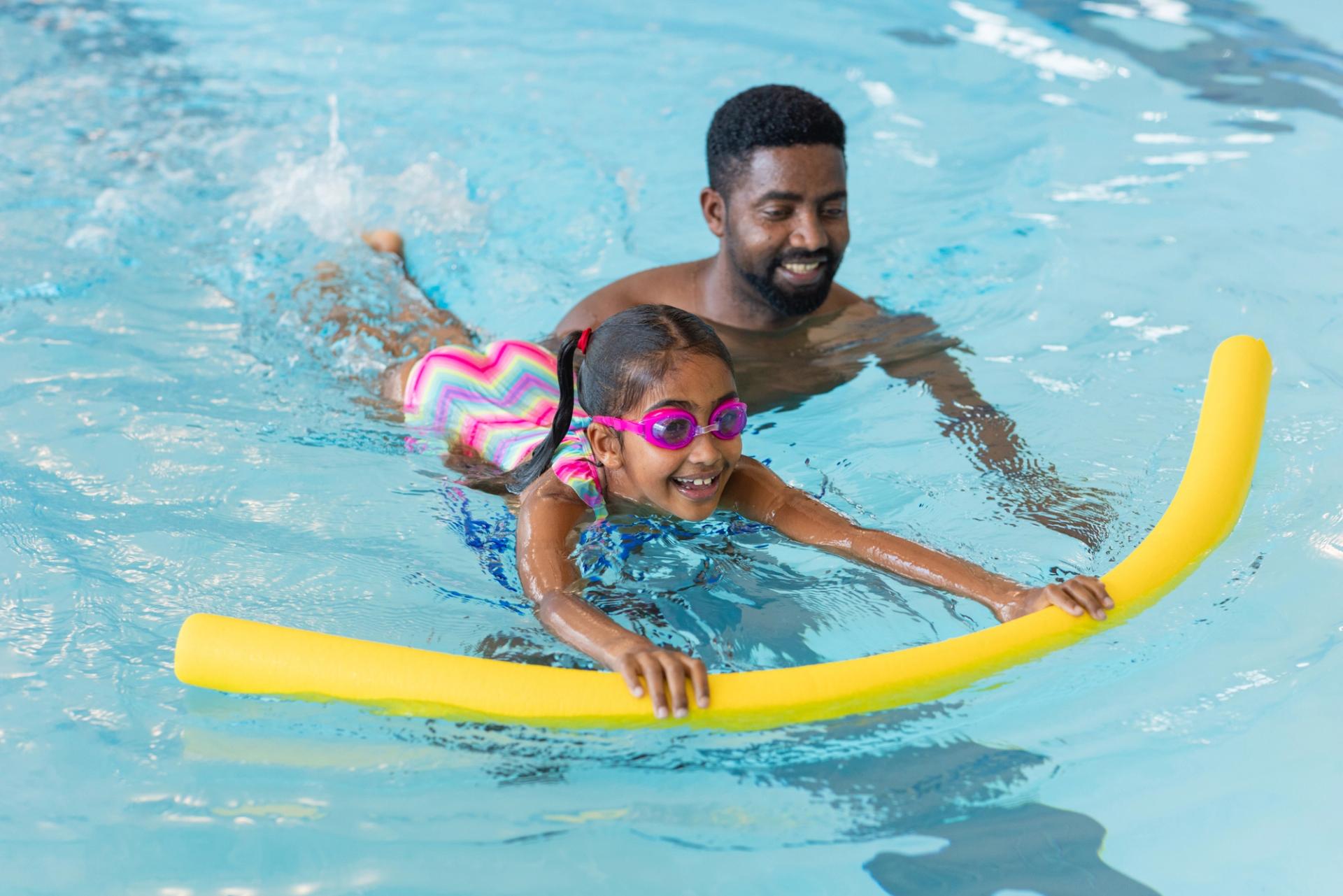
If you’re not able to access professional instruction, make sure you have the proper tools to teach your child: a pool noodle or kickboard, a properly-fitting pair of goggles, and a shallow area where the water comes up no higher than your child’s armpits. You might have learned to swim when your weird uncle tossed you off a dock, but let’s imagine better things for our next generation.
Oh: And if you’ve got a toddler who’s still potty training, we beg you to invest in some swim diapers. We need our ools to stay P free!
🌊 Respect the Water
Drowning can happen anywhere, even in the shallowest of wading areas. If you want to get really prepared, learn CPR and basic first aid, or take an online water safety course. Pool season should be a blast for everybody, and with a little preparation and attention, you can ensure it stays that way.