
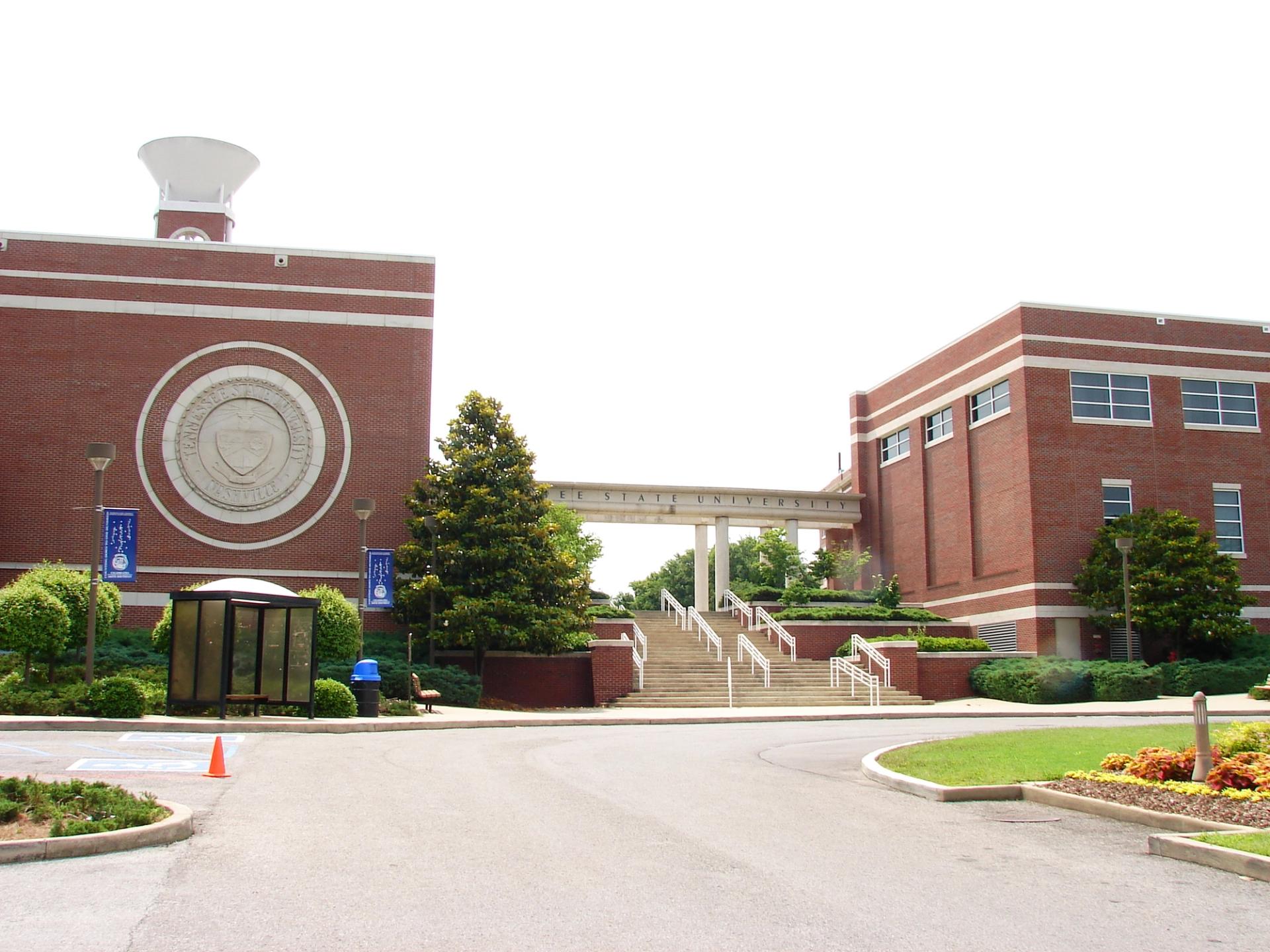
Tennessee State University has been in the news a lot lately, whether about its financial crisis or its new accelerated medical degree program. However, you might not know about TSU’s 112-year history, which includes training Olympians and student participation in the Civil Rights Movement. Here’s more about the history of Nashville’s only public four-year university, and one of our first HBCUs.
🏫 TSU’s Beginnings
When TSU opened its doors to 247 students on June 19, 1912, the university was called the Agricultural and Industrial Normal School, one of four such schools created by the Tennessee State General Assembly in 1909. The term “normal school” refers to a popular movement in the 19th and early 20th centuries to establish public universities focused on training teachers. Of the four normal schools created, TSU was the only one for Black students, and its name is said to reflect white preferences for Black vocational schooling.
William Jasper Hale, who was mixed race but white-passing, served as its first head of school. He hand-picked faculty members from Atlanta, Fisk, and Howard, and while he embraced the agricultural-themed curriculum he knew state leaders wanted, he secretly created a Black history course and called it Industrial Education, to mislead legislators.
From the beginning, TSU had issues securing state-promised grants. Hale leaned into racial stereotypes to secure at least some support by entertaining legislators on campus with Black students in uniform serving the meal, and other students outside working on the campus farm.
Despite these challenges, TSU continued to grow. In 1922, the school was granted the ability to award bachelor’s degrees, and the first degrees were handed out in 1924. The school’s motto was “Enter to learn; go forth to serve.” Hale retired in 1943, and a year later, the first master’s degrees were awarded.
In 1968, the university’s name officially changed to Tennessee State University.
✊🏿 TSU’s Role in the Civil Rights Movement
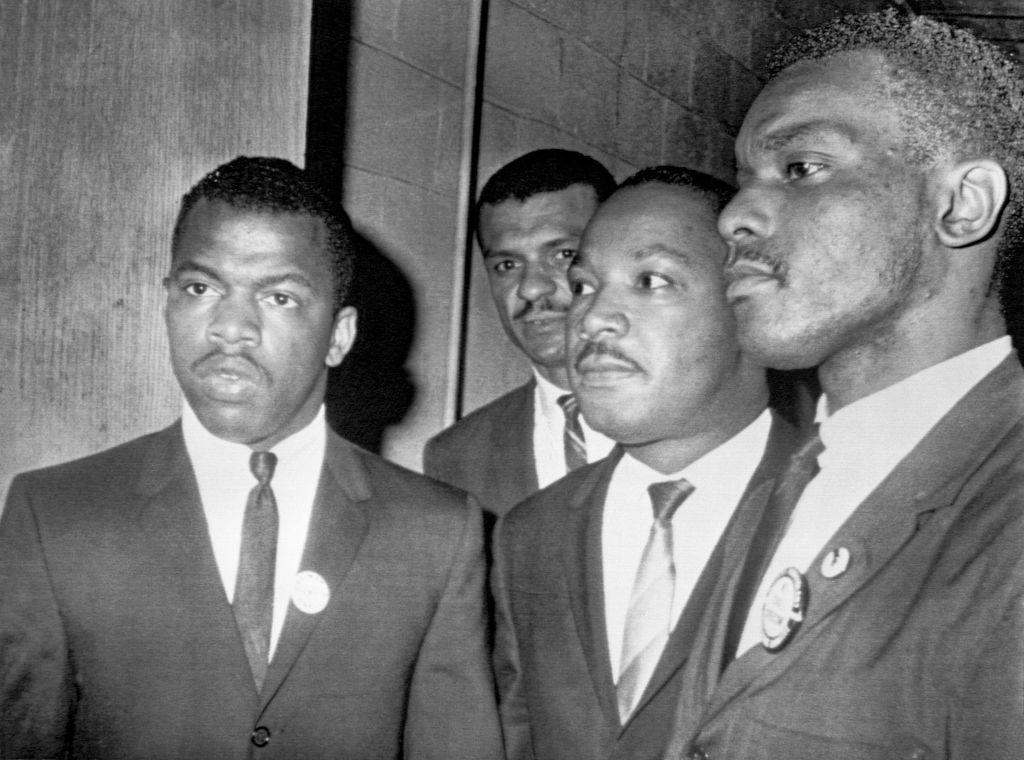
Many TSU students participated in the Civil Rights Movement, and were integral in desegregating Nashville via the Nashville sit-ins and Freedom Rides. Some students were expelled for their participation. In 2008, TSU awarded honorary doctorate degrees to 14 students it had expelled because they were jailed in Mississippi for riding a bus across state lines with white students.
TSU drum major Ernest “Rip” Patton Jr. was one of those expelled and later given an honorary degree. TSU Civil Rights activist Frankie Henry still bears scars from cigarette burns given to her by angry white women while protesting, and was penalized by TSU for missing classes.
TSU Professor Dr. Learotha Williams Jr. is collecting these stories for the North Nashville Heritage Project.
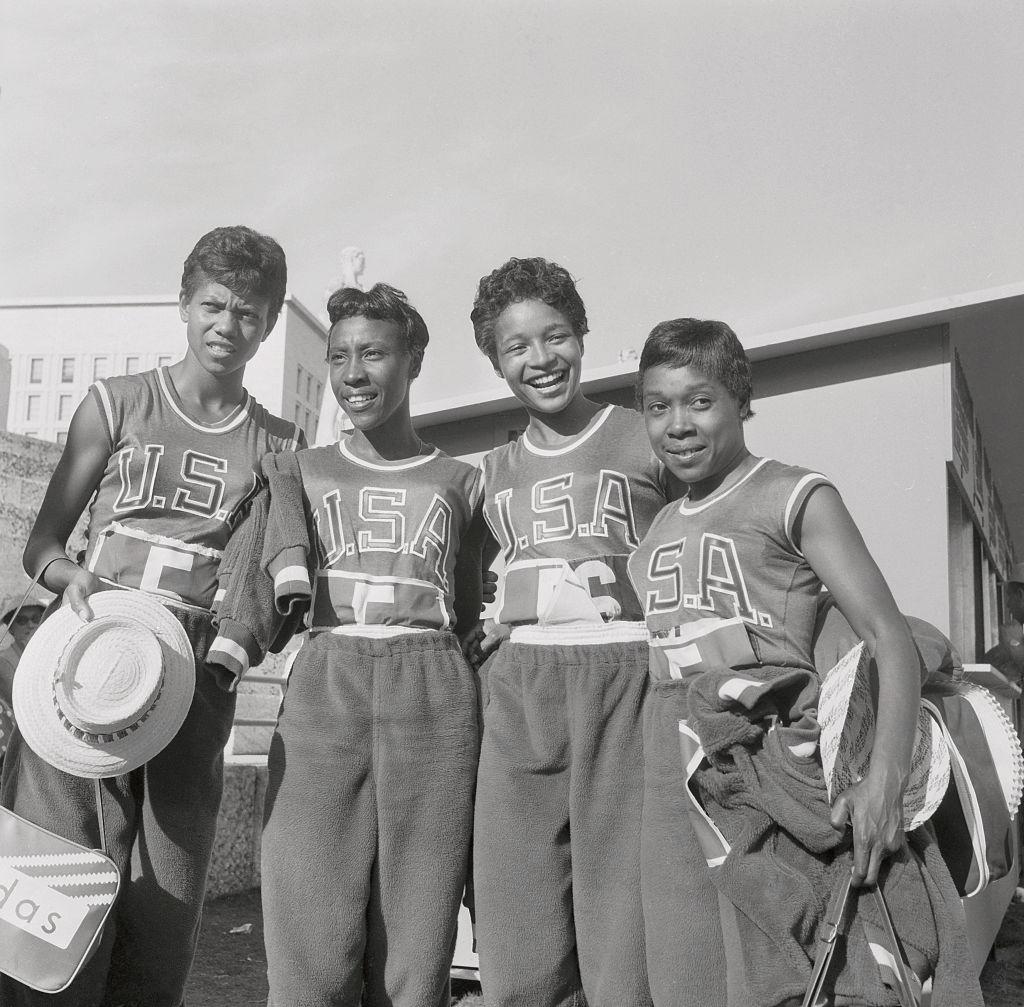
The TSU Tigerbelles after setting a world record in the U.S. Women's 400-meter relay. From left to right: Wilma Rudolph, Lucinda Williams, Barbara Jones, and Martha Hudson. (Bettmann / Getty Images)
🏅 TSU’s Olympic History
TSU athletes have won 29 Olympic medals, and 23 of those medals came from Coach Ed Temple’s legendary TSU Tigerbelles, like Wilma Rudolph, the first American woman to win three gold medals in a single Olympics. Temple pushed the girls to practice three times a day, even in the summer. “These girls wanted to win. ... They were great,” he told the Nashville Scene. “I was here with all the great ones, and I just said, ‘I want you to prove you can do it.’”
Other Olympic champions are Ralph Boston, Wyomia Tyus, Jean Patton Latimore, and Martha Hudson.
👩🏿🎓 Other Famous Graduates
Notable TSU alums include Oprah Winfrey — the first Black woman billionaire — Sen. Thelma Harper, Rep. Harold Love, Jr., actor Moses Gunn, Grammy Award-winning gospel star Dr. Bobby Jones, and many more.
⌛ TSU Today
Today, more than 6,000 students attend TSU, and the university offers 77 majors with bachelor’s, master’s, and doctoral degree programs. They have two campuses: The main North Nashville campus, and a second one downtown.
The university’s rich history includes far more than what I mentioned here, from its Grammy-winning marching band to NFL stars.