

In 1830, President Andrew Jackson signed the Indian Removal Act, which gave the federal government the power to remove Native Americans from their land in the East in exchange for land in the West, in present-day Oklahoma. In 1838, frustrated by how few Cherokees had left, President Martin Van Buren sent 7,000 soldiers to expedite the removal process. This began the process of what would become known as the Trail of Tears, where members of the Cherokee, Choctaw, Muscogee, and Seminole nations were forced from their lands. Tens of thousands of Native peoples made the journey, and historians estimate that more than 5,000 died on the way.
Part of their forced march ran right through Nashville.
Nashville’s Role in the Trail of Tears
The first detachment of Native Americans on the Trail of Tears came through Nashville on their way to Oklahoma on October 15, 1838, and the last on December 2. Some rode on wagons and horses, but most were on foot, and many were ill after spending the summer in military-run concentration camps. Nashville was a resupply point, where detachments could buy necessary supplies to continue the journey westward.
They would’ve entered Davidson County on Murfreesboro Pike and traveled to Lafayette Street, then turned north on what’s now called 2nd Avenue South, and continued to the city’s center. They crossed the Cumberland River on the Nashville Toll Bridge, following a road along the river until it crossed into what is now Cheatham County.
Learning More About the Trail of Tears in Nashville
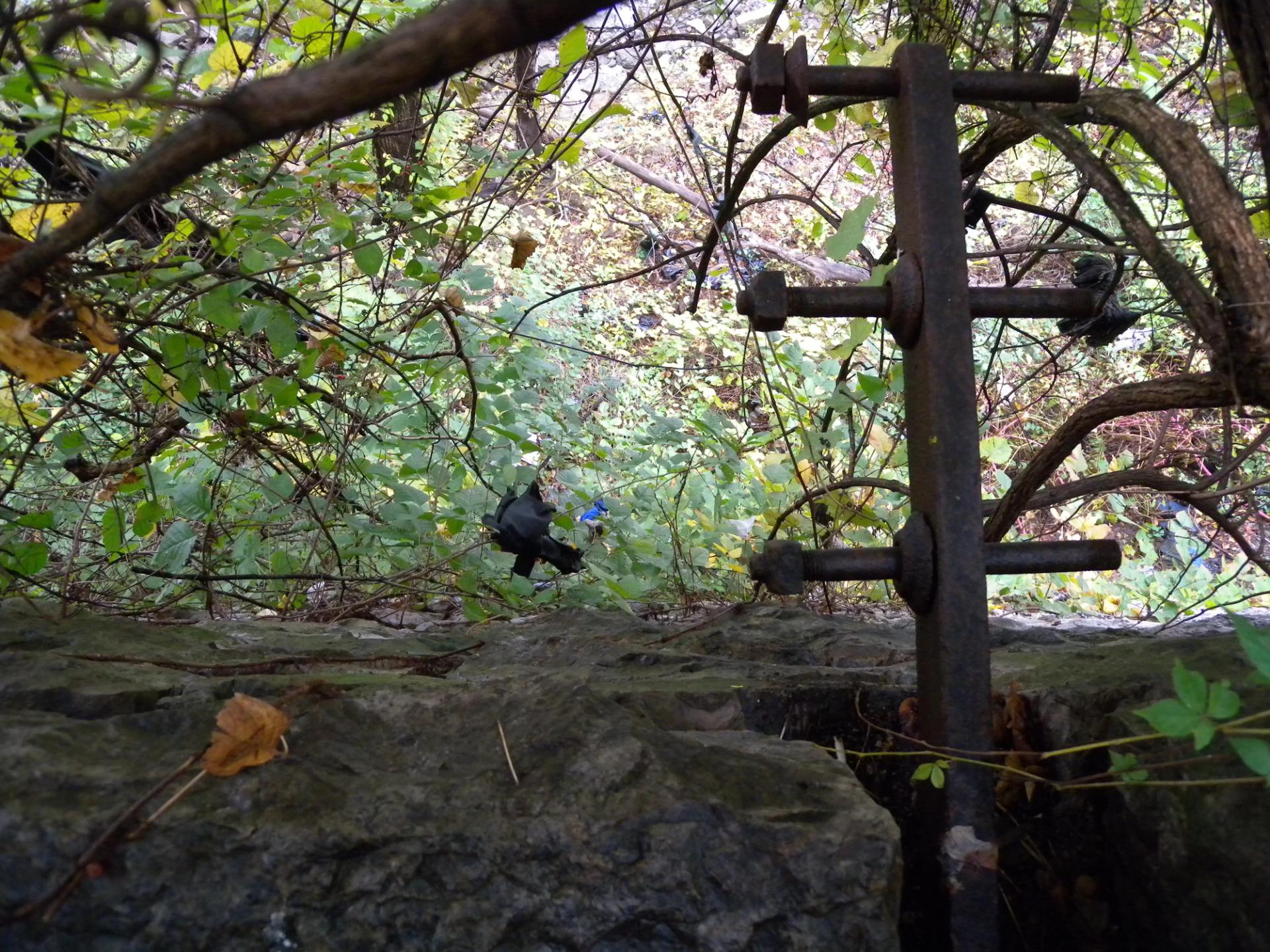
The remnants of the Nashville Toll Bridge can be visited downtown, where historical plaques describe its role in the Trail of Tears. You can also walk along the Trail of Tears National Historic Trail, or visit one of the certified sites along the trail. The Tennessee State Museum also has more information about the Trail of Tears and Native American history.






.JPG)